Wave-powered AI data centers at sea: Panthalassa raises $140M to make it real

The AI industry's hunger for power has a new proposed fix: move the data centers into the ocean. Portland-based startup Panthalassa has closed a $140 million Series B led by Peter Thiel's Founders Fund, bringing total funding to $210 million. The company plans to deploy floating AI compute platforms powered entirely by wave energy — no grid connection required.
The pitch
US tech giants including Google, Microsoft, and Meta are spending an estimated $765 billion on AI data centers in 2026, yet permitting delays, grid saturation, and community opposition are slowing construction across the country. Panthalassa's answer is to go offshore — literally.
The system uses large spherical buoys that convert wave motion into electricity. Server racks sit inside those same structures, running AI inference workloads on already-trained models. Connectivity back to shore comes via low-Earth-orbit satellites, making each platform independent of terrestrial infrastructure. Seawater handles cooling, which lets hardware be packed more densely than any air-cooled land facility could manage.
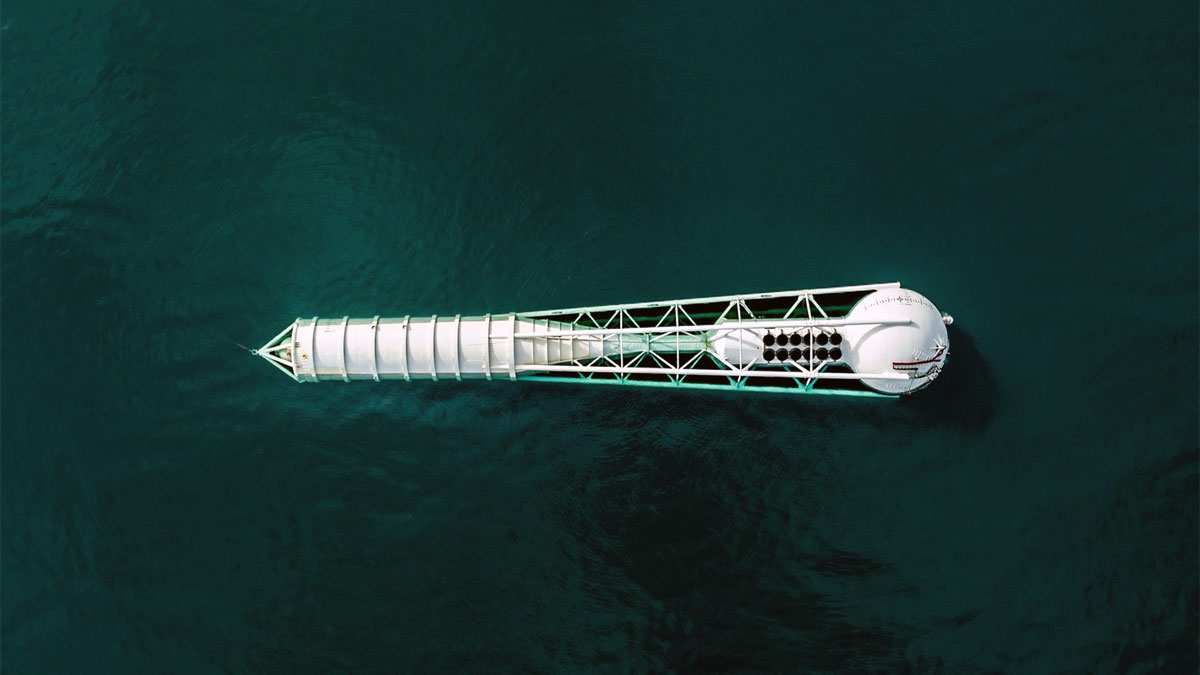
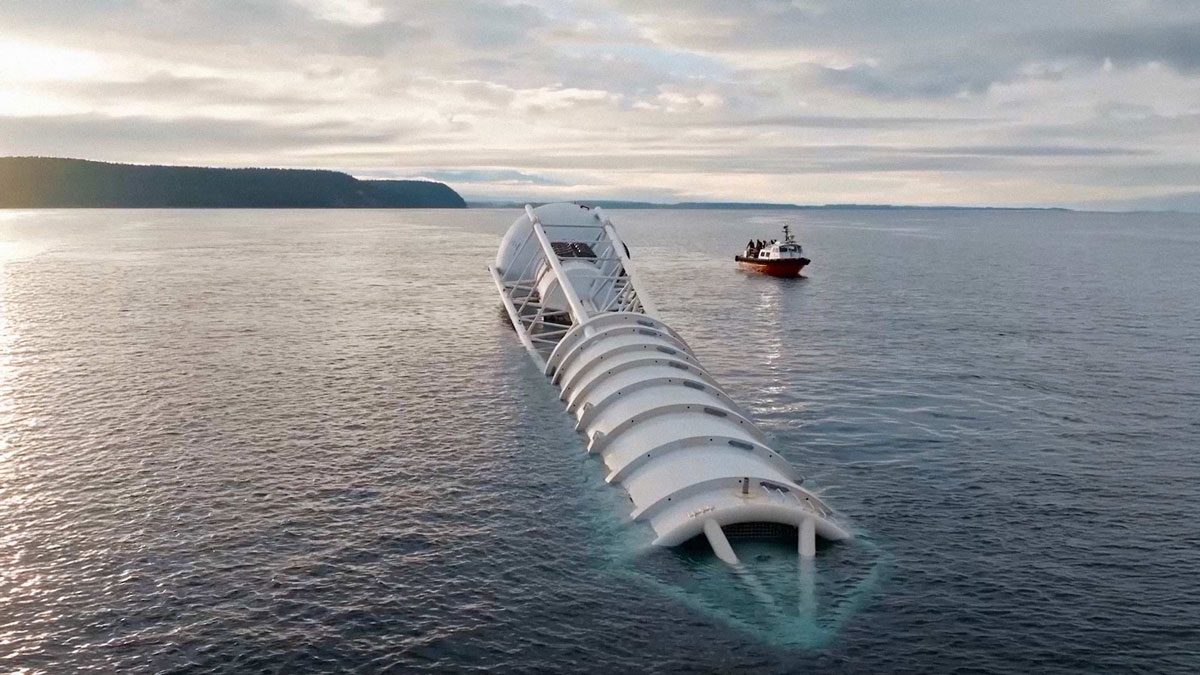
CEO Garth Sheldon-Coulson says the platforms are designed for the most energy-dense parts of the open ocean — zones where swells rarely stop. The company is incorporated as a public benefit corporation, a legal structure that formally ties it to goals beyond pure profit.
From prototype to pilot
Panthalassa isn't starting from scratch. Founded in 2016 with 120 employees today, the company has already tested three hardware generations: Ocean-1 and Ocean-2 in 2021, and the Wavehopper prototype in 2024. The next step is Ocean-3, a pilot deployment scheduled for 2026, with commercial operations targeted for 2027.
Thiel called the project a strategic asset for American technological leadership. Investor John Doerr also backed the round, as did server manufacturer Super Micro Computer — a notable endorsement given that Supermicro supplies hardware to many of the world's largest data center operators.
The concept draws a direct comparison to Starcloud, a space-based compute startup that hit a $1.1 billion valuation in March 2025. Both companies are betting that terrestrial grid limits will force AI compute off solid ground. The offshore approach avoids rocket launch costs; the tradeoff is marine maintenance and satellite latency, neither of which has been proven at commercial scale, per TechRadar.
What comes next
The 2027 commercial target is aggressive. Ocean conditions, regulatory clearance for offshore deployments, and the reliability of satellite uplinks at scale are all open questions. Still, with $210 million in the bank and a manufacturing base in Oregon, Panthalassa is further along than most concepts in this space.
If the grid keeps tightening and permitting stays slow, floating servers might start looking less like science fiction and more like infrastructure, as confirmed by GeekWire and the official Business Wire announcement.


