Ultrasonic espresso uses no heat and cuts energy use by 75%

Researchers at the University of New South Wales have figured out how to make espresso without heating water at all — and the result uses 75% less energy than a traditional machine. A peer-reviewed blind taste test with 100 participants found the two cups indistinguishable in flavor, aroma, and bitterness. The study is published in the Journal of Food Engineering (June 2026), and UNSW holds a pending patent on the process.
How it works
Instead of forcing near-boiling water through coffee grounds under pressure, the method uses acoustic cavitation. Ultrasonic waves pass through a mixture of room-temperature water and ground coffee, generating billions of microscopic bubbles. Those bubbles form and collapse almost instantly, creating tiny high-pressure zones that scrub flavor compounds, oils, and caffeine out of the grounds in under three minutes. Lead researcher Francisco Trujillo describes it as "billions of invisible microscopic brushes" working simultaneously.
Traditional espresso machines spend most of their energy maintaining a stable boiler temperature — that's the warm-up time you wait through every morning. Ultrasound sidesteps that entirely. The UNSW team measured the ultrasonic setup consuming just 24.3% of the energy a professional espresso machine draws, per the UNSW official release.
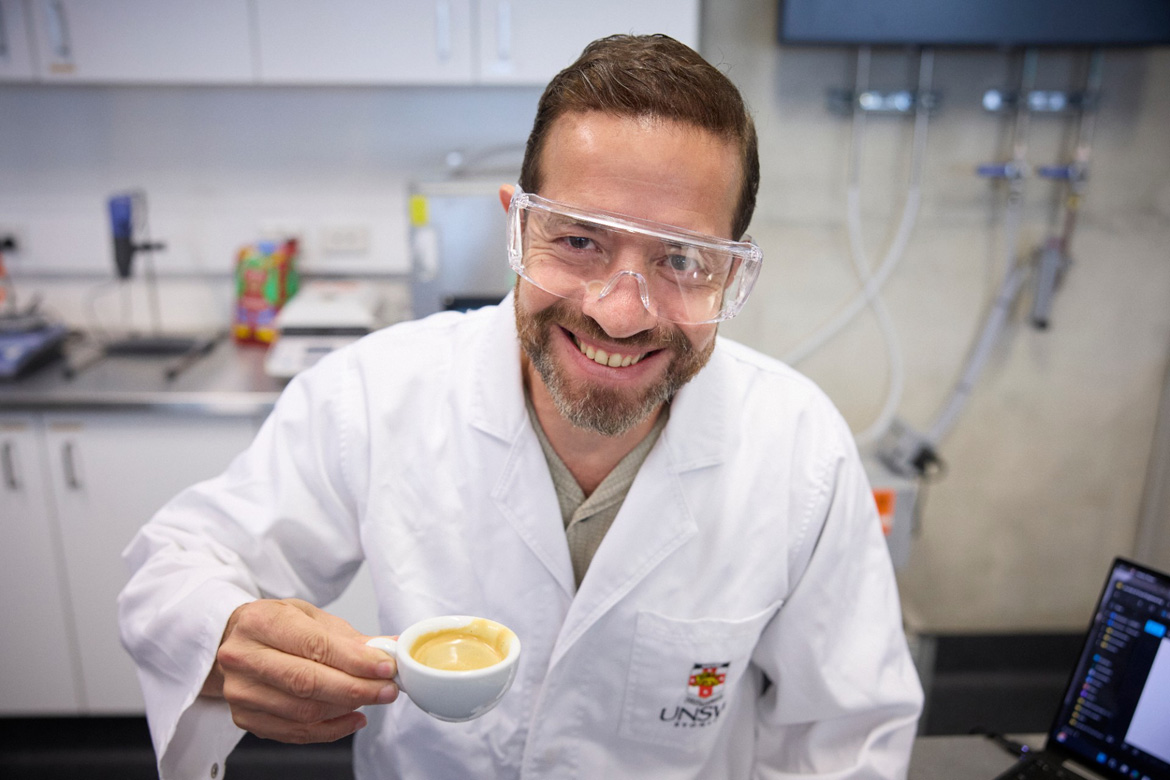
The commercial prize, not your kitchen counter
The near-term winners here aren't home baristas. The technology is still at prototype stage, and no consumer product has been announced or priced. Where the math works immediately is at industrial scale — high-volume cafés, and especially ready-to-drink coffee brands like those produced by Nestlé or Coca-Cola.
Cold brew is the clearest example. Conventional cold brew takes 12 to 24 hours to steep. Ultrasound gets there in under three minutes, per Daily Coffee News, which also confirmed the patent number: WO2025/118023A1. For a factory running thousands of liters a day, cutting both brew time and energy costs by that margin is a significant operational saving.
What comes next
The skeptic's question — does cold-water coffee actually taste right? — has now been answered under controlled conditions. That removes one of the main barriers to commercial adoption. Whether a version scaled down for home machines arrives in two years or five depends on how quickly manufacturers can miniaturize the ultrasonic hardware. For now, the technology points squarely at the industrial coffee supply chain rather than the countertop.


