Timekettle W4 Pro vs AirPods Pro 3 vs Pixel Buds Pro 2
For a long time I treated translation as a phone task - open an app, hold the mic, wait, repeat. Then earbuds started adding translation features and I assumed that was the direction things were going. Then the Timekettle W4 Pro arrived for review and pushed back on that assumption hard. It's a device designed from the ground up around translation, not a pair of earbuds that picked it up along the way. To understand what that actually means in practice, I put it alongside the two strongest mainstream earbuds with built-in translation on the market right now: the Apple AirPods Pro 3 and the Google Pixel Buds Pro 2.
This comparison covers a few weeks of direct testing across translation performance, audio quality, noise cancellation, battery, and ecosystem experience - business calls, face-to-face conversations in three languages, an airport, a long flight, and daily commutes. By the end of this you will have a clear answer on which of these three belongs in your ear for the situations you actually face.
Timekettle W4 Pro vs AirPods Pro 3 vs Pixel Buds Pro 2: Quick Overview
If you're in a hurry, here's the short version: all three do real-time translation, but the W4 Pro is the only one where translation is the primary function. The AirPods Pro 3 and Pixel Buds Pro 2 are excellent premium earbuds that added translation as a capability - and that difference shapes language coverage, supported scenarios, and the ceiling each device hits. The W4 Pro handles 52 languages and 106 accents across six distinct modes including phone calls, video meetings, and media subtitling.
The AirPods Pro 3 covers nine languages for in-person conversation, requires an iPhone with Apple Intelligence, and pairs that with the best audio and ANC in the category. The Pixel Buds Pro 2 uses Google Translate for 40+ languages in conversation and call scenarios, runs on Android, and has the strongest total battery life of the three.
For professionals who navigate language barriers as part of their work - negotiations, international calls, and multilingual environments - the W4 Pro is the only complete answer from these three. For iPhone users who need translation a few times a year during travel, AirPods Pro 3 handles most situations at a lower price with better sound and ANC. Android users who want the strongest all-round daily earbuds with capable translation built in should start with the Pixel Buds Pro 2.
Table of Contents:
- Full Specs Comparison
- Design: Form Factor and Fit
- Translation Performance: The Core Test
- Sound Quality and Call Audio
- Noise Cancellation and Fit
- Real-World Battery Life
- Ecosystem and App Experience
- Head-to-Head Scorecard
- Who Should Buy Which
Full Specs Comparison
Before going into detail on each category, here's the full technical picture side by side. The differences in the "primary function" and "translation modes" rows tell most of the story before you read another word.
| Specification | Timekettle W4 Pro | Apple AirPods Pro 3 | Google Pixel Buds Pro 2 |
| Primary Function | AI translator + earbuds | Premium earbuds + translation | Premium earbuds + translation |
| Processor | HybridComm AI + SOTA Engine Selector (2026 update) | Apple H2 | Google Tensor A1 |
| Languages Supported | 52 languages, 106 accents | 9 languages (5 at launch) | 40+ via Google Translate |
| Translation Modes | 6: One-on-One, Listen & Play, Simul, Phone Call, Video Call, Media | Live Translation - in-person conversation only | Live Translate - conversation and calls |
| Offline Translation | 13 language pairs (2 free packs) | None | None |
| Voice Capture | 3-mic noise reduction system | Dual beamforming microphones | Beamforming mics + Tensor A1 processing |
| Active Noise Cancellation | None (open-ear design) | Best-in-class in-ear ANC (2x Pro 2, 4x original) | Strong ANC (2x Pixel Buds Pro) |
| Earbud Battery | 6h translation / 12h music | 8h with ANC on | 8h ANC on / 12h ANC off |
| Total with Case | 18h translation | 24h total | 30h ANC on / 48h ANC off |
| Case Charging | USB-C | USB-C + MagSafe | USB-C + Qi wireless |
| Water Resistance | IPX4 | IP57 | IP54 |
| Ecosystem | iOS + Android | Apple (iPhone required for translation) | Android-first (iOS limited) |
Timekettle W4 Pro vs AirPods Pro 3 vs Pixel Buds Pro 2: Design
Three pairs of earbuds, three completely different physical philosophies. The form factor differences here aren't cosmetic - they directly affect how long you can comfortably wear each one and what situations each fits into naturally.
Timekettle W4 Pro Design
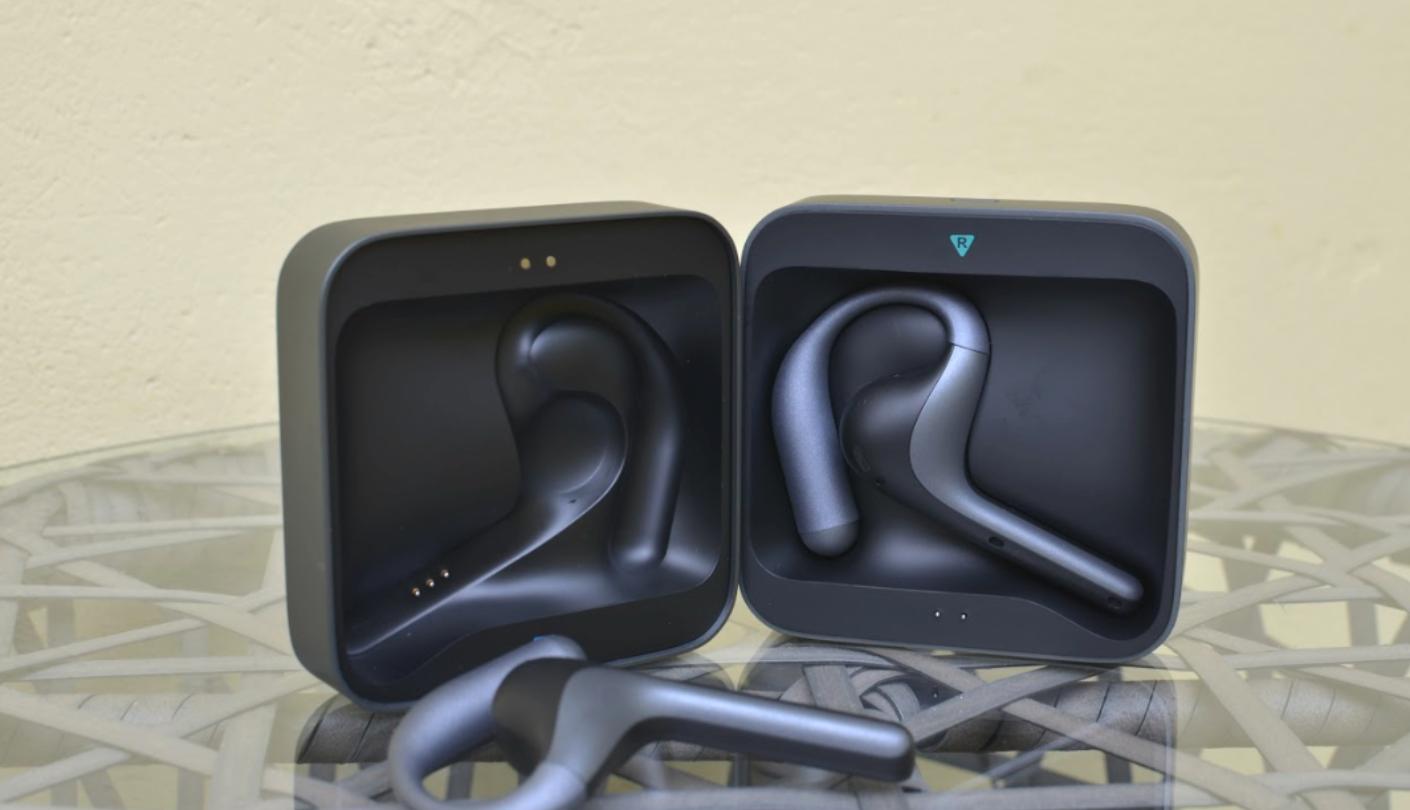
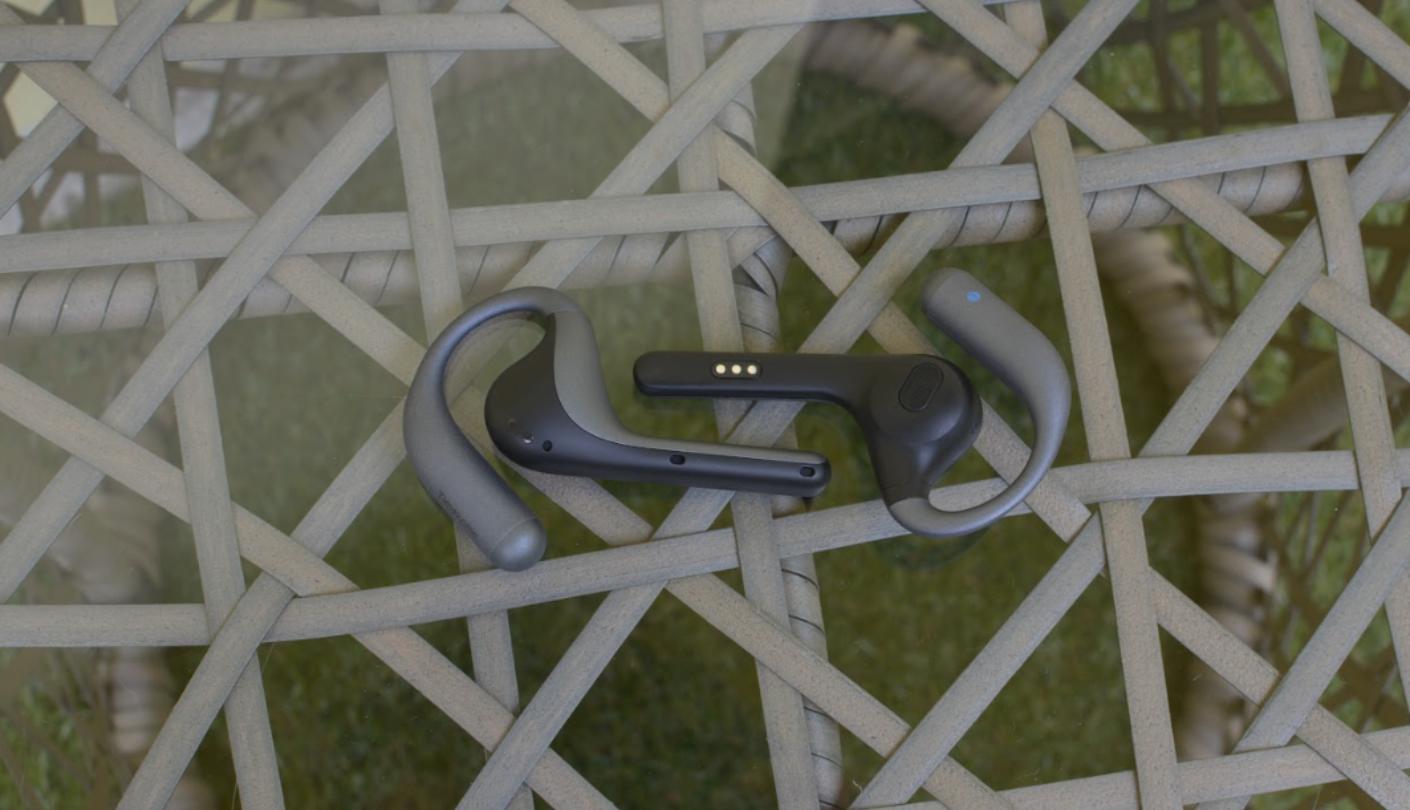
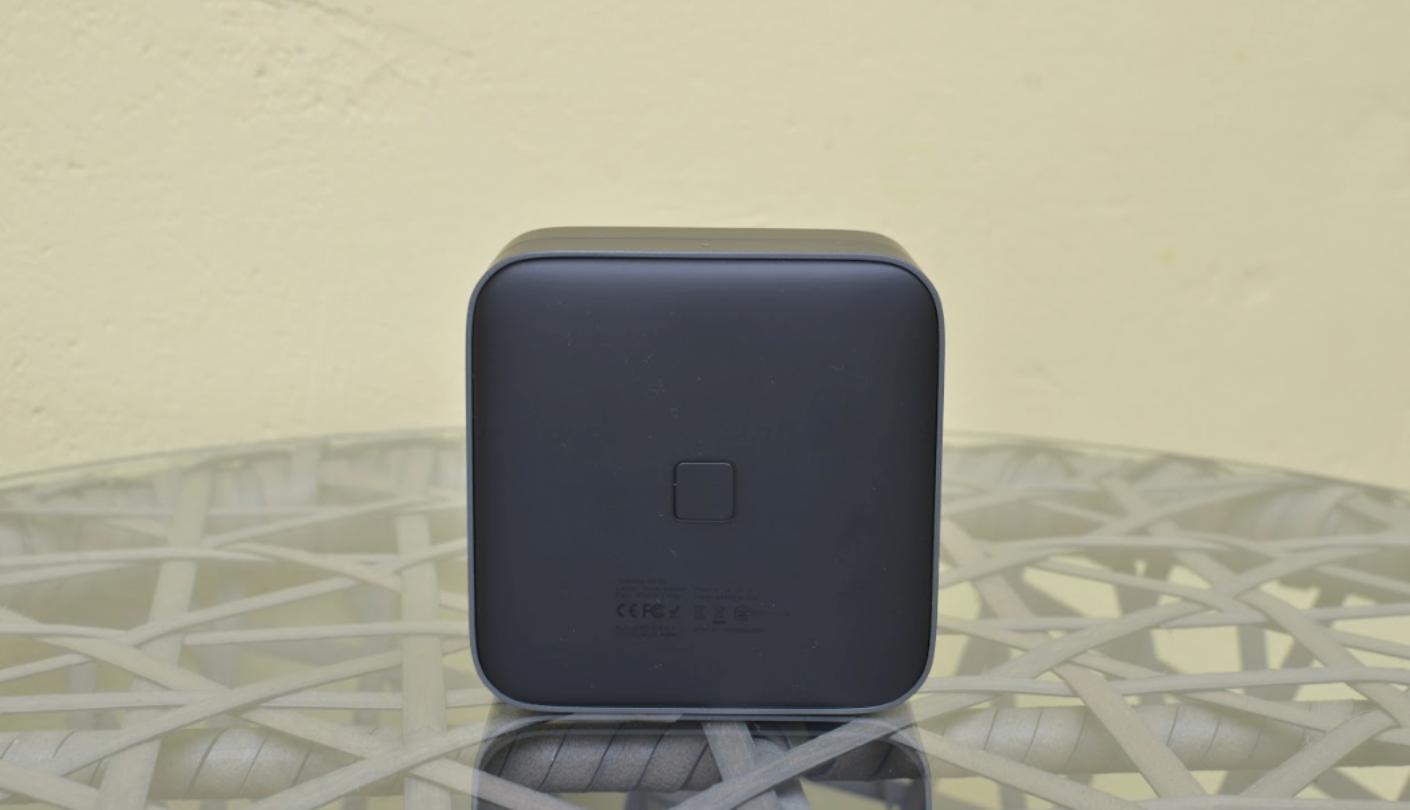
The W4 Pro uses an open-ear architecture - the earbuds sit at the entrance of the ear canal rather than sealing it. The stems follow the natural curve of the outer ear and jawline, shaped to match the contour of the tragus and mandible. No silicone tip pressing into the canal, no pressure build-up after three hours, no muffled-world sensation. The charging case is compact and fits in a jacket pocket alongside a phone. The overall look is understated in grey - business-appropriate and not something that draws attention in a meeting room.
Apple AirPods Pro 3 Design
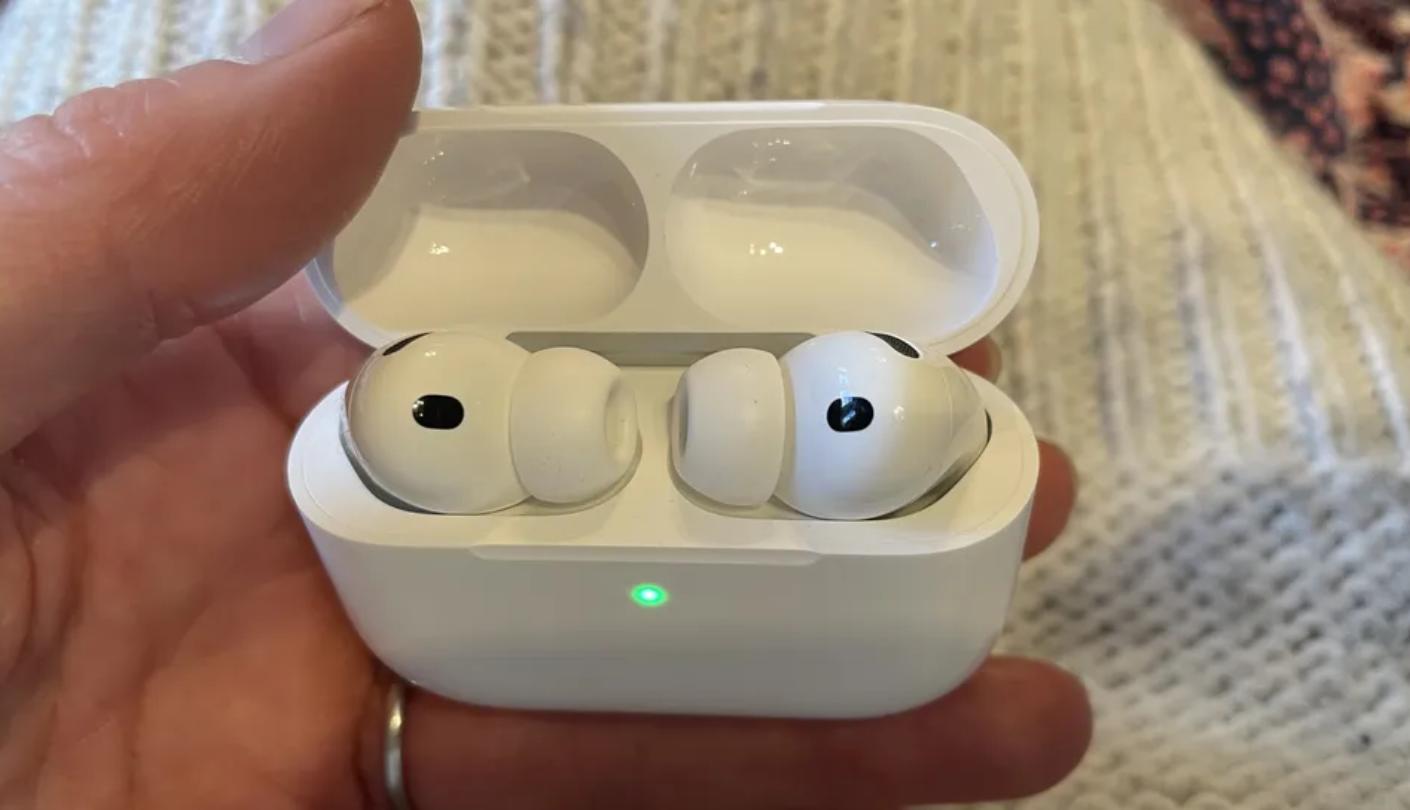
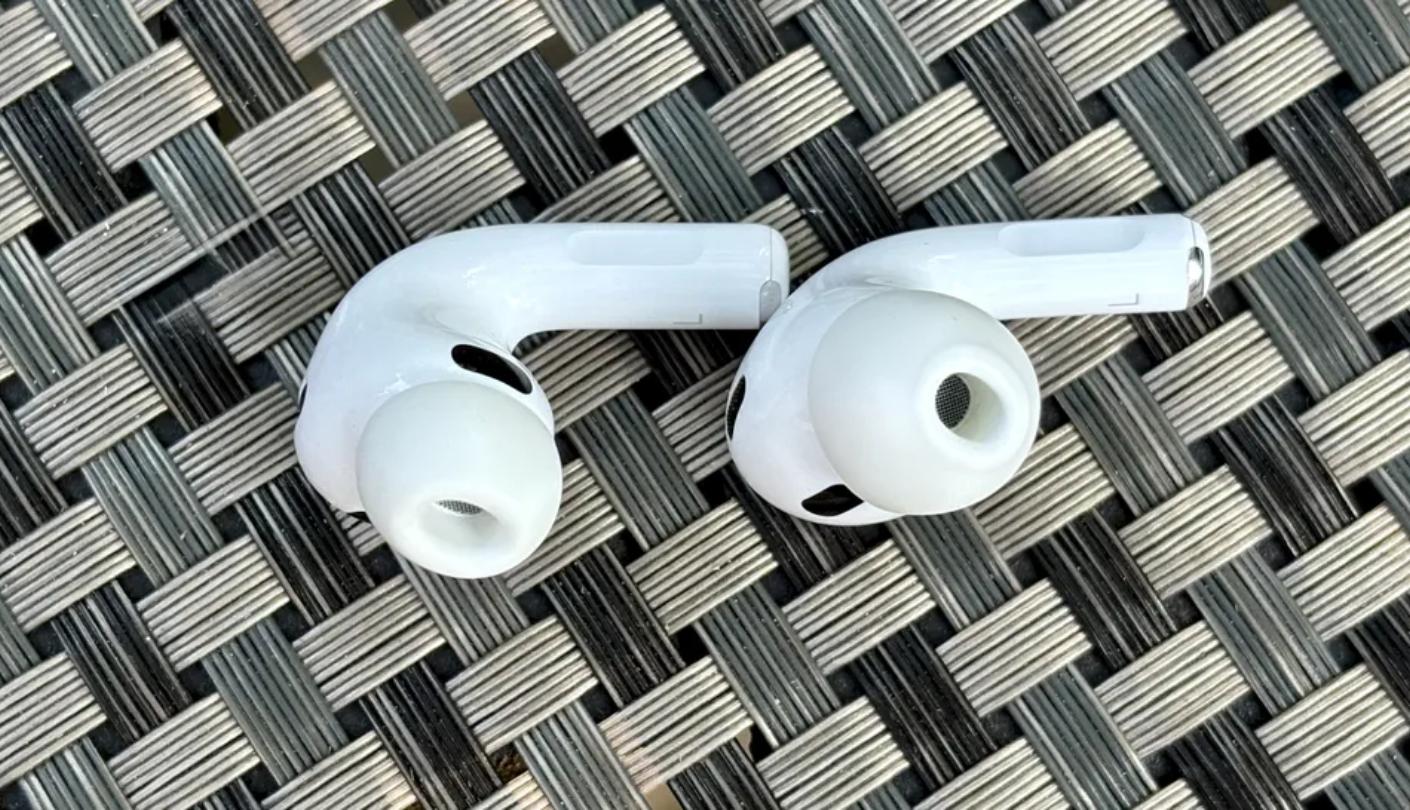
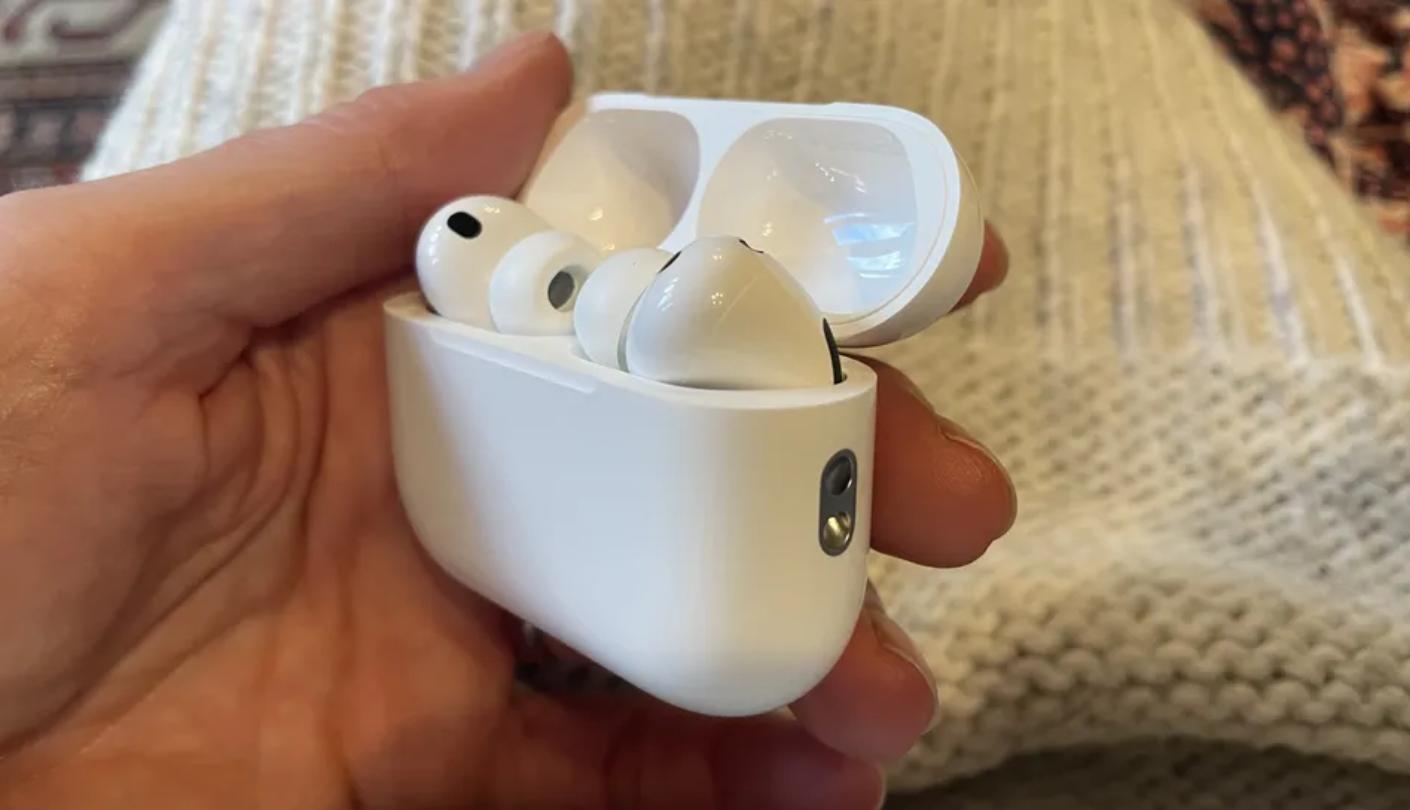
The AirPods Pro 3 follow the familiar Apple stem-and-tip silhouette, refined rather than redesigned. The ear tips now rotate inward at an angle - a change based on more than 10,000 ear scans - and five tip sizes are available including a new XXS. The result is a more stable in-ear fit, especially during movement. The MagSafe charging case gained a speaker and a Find My button. IP57 means genuine submersion resistance, not just splash protection. Controls live on the stems via touch.
Google Pixel Buds Pro 2 Design
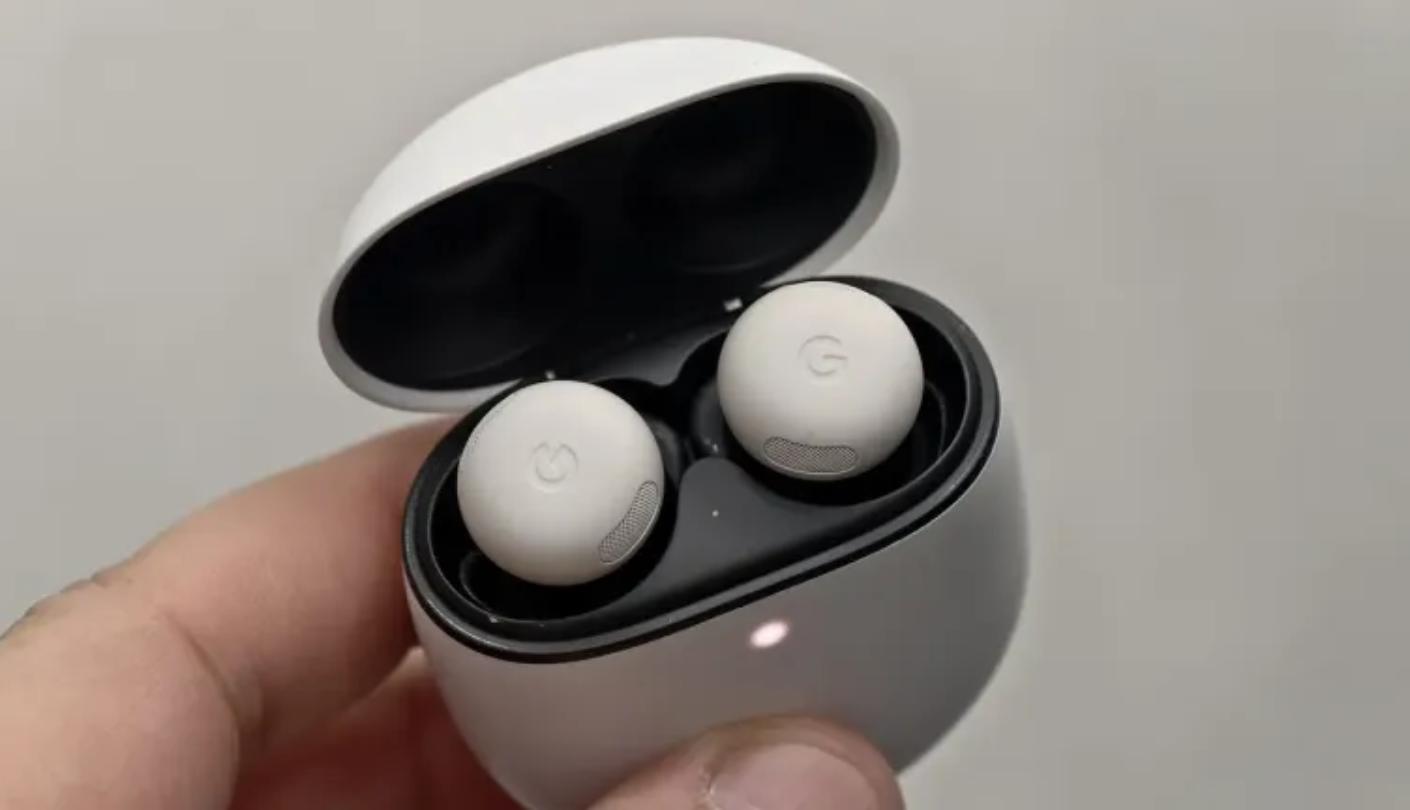
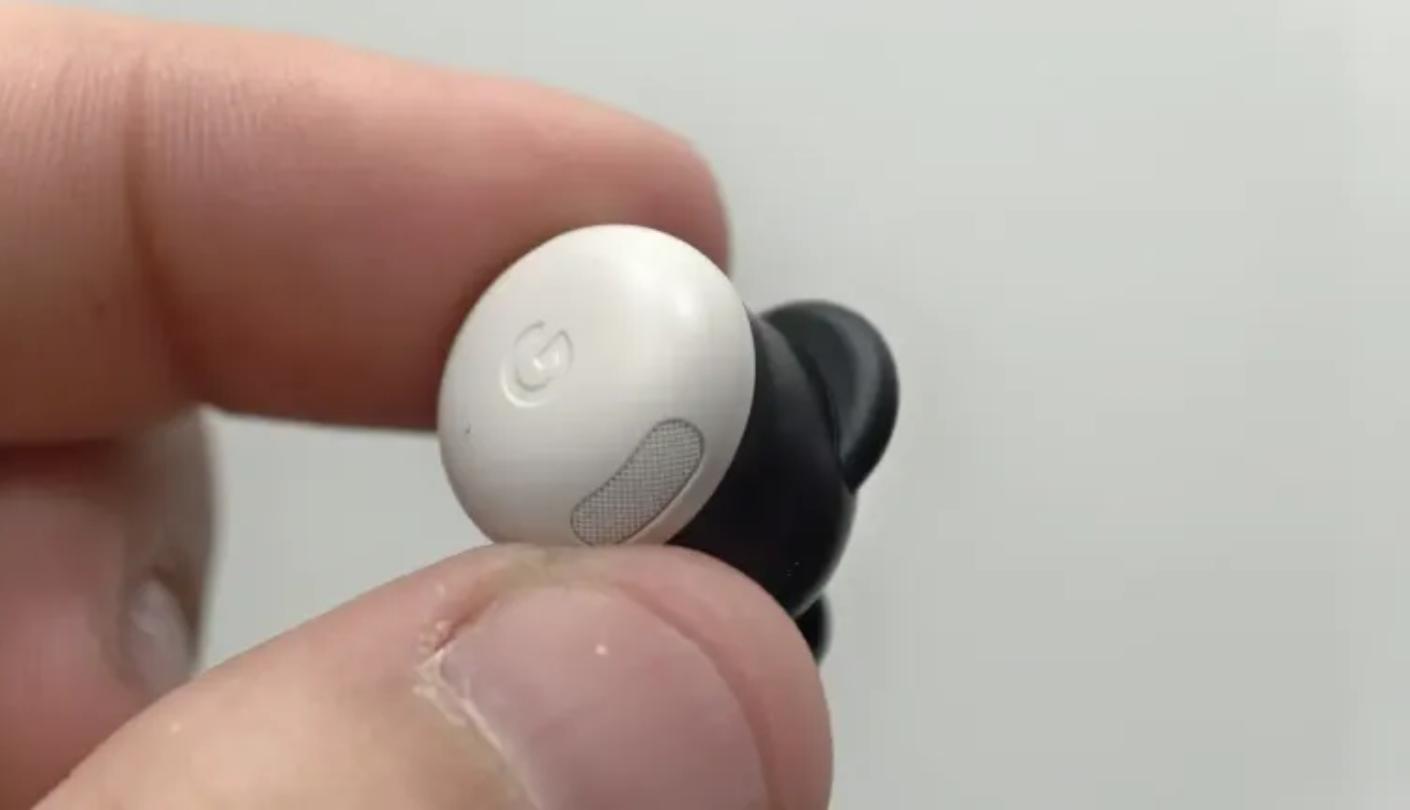
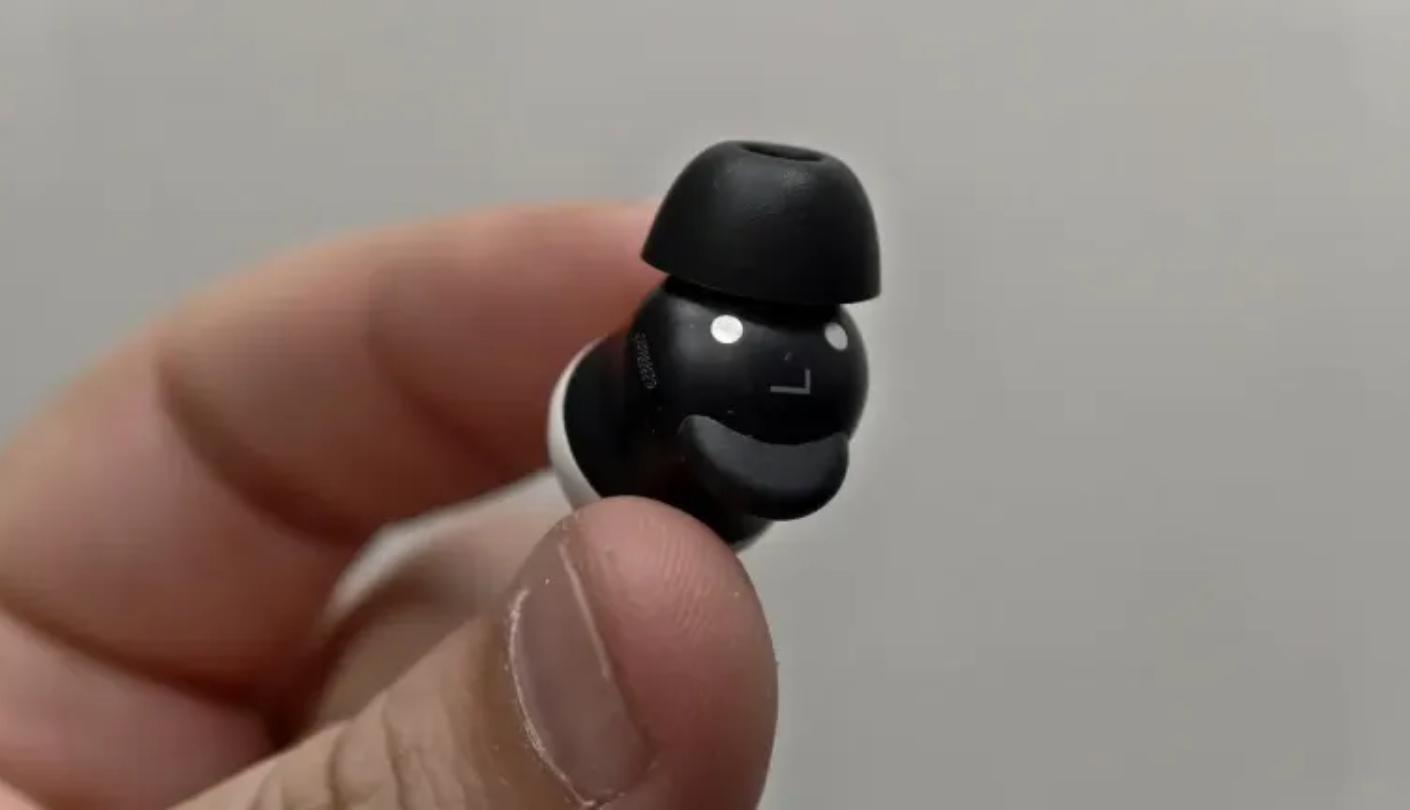
The Pixel Buds Pro 2 are the smallest and lightest of the three - 24% lighter and 27% more compact than the original Pixel Buds Pro. Google added wingtips for a secure fit during workouts. Four muted colors are available (Porcelain, Hazel, Wintergreen, Peony) that work in professional settings without the stark white of Apple. The case charges over USB-C or any Qi wireless pad. The smaller form factor shows in everyday carry - these disappear into a pocket in a way the other two don't quite manage.
Translation Performance: The Core Test
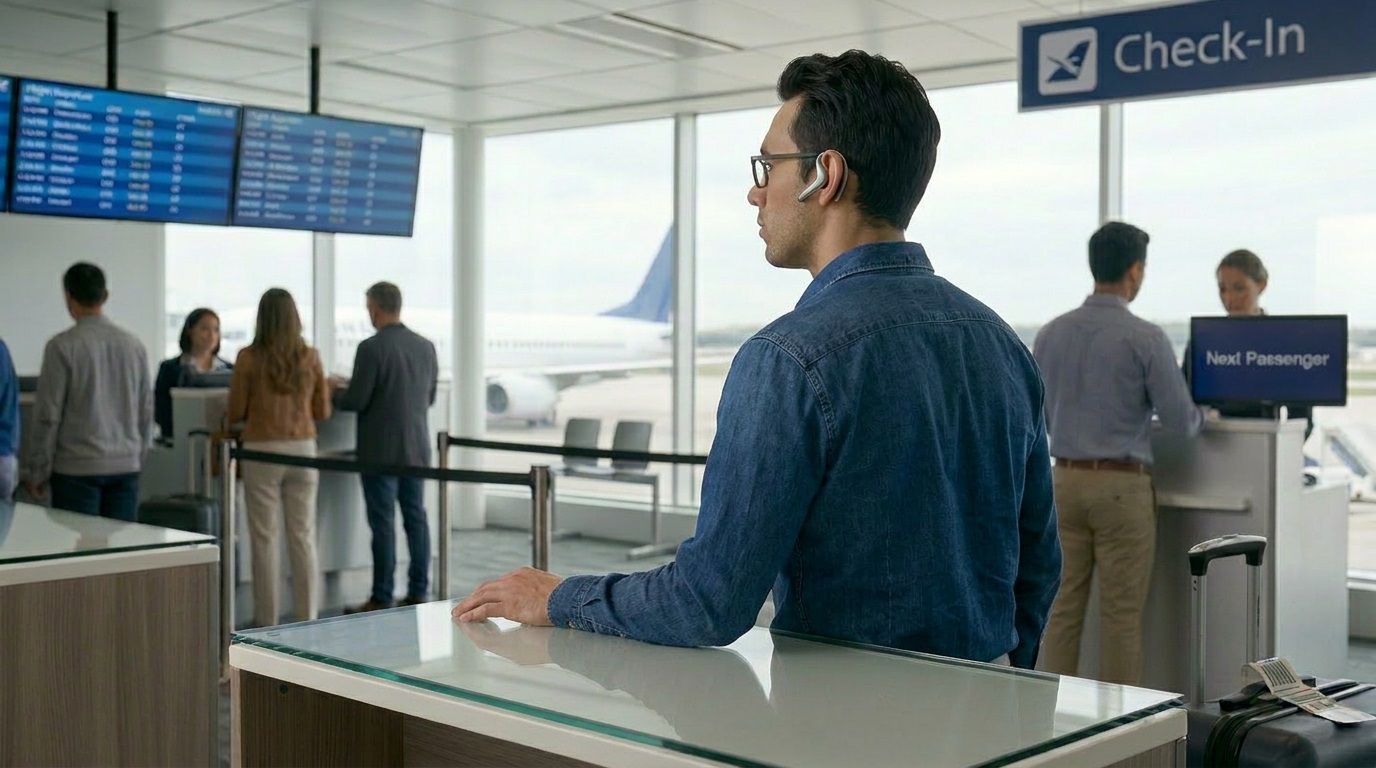
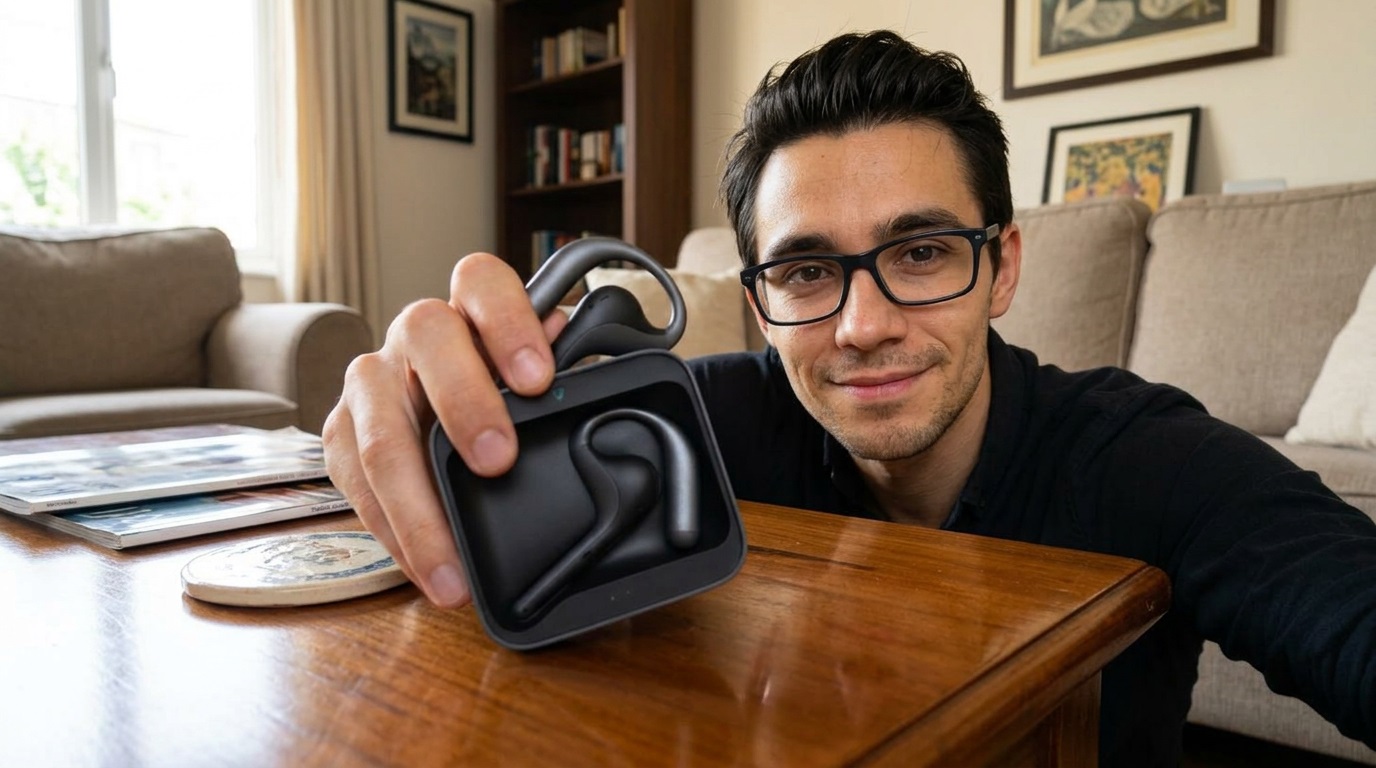
Image of the reviewer with a W4 Pro. Source: gagadget.com
This is where the gap between "translation device" and "earbuds with a translation feature" becomes impossible to ignore. I ran all three through four real-world scenarios across a few weeks of testing. Here's what actually happened in each one.
Scenario 1: Café conversation with a Spanish speaker
A hotel receptionist in Madrid, no shared language, a question about a neighborhood that wasn't on any tourist map. I activated the W4 Pro's One-on-One mode and spoke in English. She heard Spanish through the second unit from the case. Her answer came back in English in my ear roughly two seconds later. By the third exchange, both of us had adjusted to the rhythm naturally - you learn to pause after each sentence the way you'd pause on a satellite call. With AirPods Pro 3 and Pixel Buds Pro 2, the standard setup placed a phone screen between us as a transcription display. That worked for simple requests, but watching someone glance down mid-conversation every time they speak is a social friction that adds up over ten minutes.
Scenario 2: Business video call with a German-speaking colleague
This scenario ended the comparison for two of the three devices immediately. AirPods Pro 3 and Pixel Buds Pro 2 have no video call translation mode - Live Translation on both is designed for same-room, in-person conversation. When my German colleague opened with three minutes of project feedback over Zoom, I heard three minutes of German and typed what I caught into a separate tab. That's not translation support, that's just a slower call. The W4 Pro Video Call mode routed German audio through its translation engine and played English in my ear in real time - my colleague didn't change a thing on his end, the Zoom ran normally, and I tracked the conversation without a lag that broke the flow.
The video call test was the single clearest demonstration of what "translation device" means in practice. One earphone could handle it. Two couldn't.
Scenario 3: Airport departure hall
Boarding announcements ran overhead at around 82 dB and I needed to clarify a gate change with an agent. The W4 Pro's 3-mic noise reduction system filtered my voice from the ambient PA noise above - the agent's reply came back translated without me holding a phone between us. With AirPods Pro 3, Live Translation in that environment required the iPhone screen as a transcription display and worked under strain. Pixel Buds Pro 2 handled the scenario similarly. Both are functional but neither is invisible in the interaction the way the W4 Pro was.
Scenario 4: Planned session with a Mandarin speaker
A colleague who grew up in Guangdong - Mandarin with Cantonese phonetic influence. Mandarin is a stress test for language coverage and accent handling at once. AirPods Pro 3 added Simplified Chinese after launch, but the output hesitated noticeably on longer sentences compared to the same length in Spanish or French - the model is newer and less refined for this language pair. Pixel Buds Pro 2 via Google Translate handled Mandarin more confidently: Google Translate has years of training on this language and it shows. The W4 Pro covered 106 accent variations, including Mandarin regional phonetic patterns - sentences with Cantonese-influenced tonal shifts came through accurately rather than defaulting to standard Beijing register.
Below is what each device can and can't do across the translation use cases that came up in real testing:
| Translation Scenario | W4 Pro | AirPods Pro 3 | Pixel Buds Pro 2 |
| Face-to-face conversation | One-on-One mode, paired earbuds | iPhone screen as display | Android phone screen as display |
| Video call (Zoom, Teams) | Video Call mode, real-time in-ear | Not supported | Not supported |
| Phone call translation | Phone Call mode | Not supported | Incoming calls only |
| Noisy environment | 3-mic noise reduction isolates voice | Strained above 80dB | Strained above 80dB |
| Media subtitling in ear | Media Translation mode | Not supported | Not supported |
| No internet connection | 13 offline language pairs | Not supported | Not supported |
Sound Quality and Call Audio

Remove translation from the picture entirely, and the ranking flips almost completely.
AirPods Pro 3 are the best-sounding earbuds of the three by a clear margin. Apple's new acoustic architecture puts real weight into the bass, opens the soundstage wide enough that instruments have space to breathe, and sharpens vocal clarity across podcasts and audiobooks. Eight hours of listening in these is genuinely enjoyable rather than just acceptable.
Pixel Buds Pro 2 benefit from Tensor A1's dedicated processing lane for audio - a separate computational pathway for music that runs independently from the ANC processing. The result is accurate, detailed sound that doesn't color the source material. The 11mm driver is the largest of the three and contributes to a full low end. Where the Pixel Buds stumble is call microphone quality in noise: several people on the other end of calls noted that background sound was coming through more than they'd expect at this tier.
Timekettle W4 Pro operates from an open-ear design, which sets the audio ceiling immediately. No passive isolation, minimal bass, ambient sound mixes into whatever you're listening to. For background music at a desk or in a quiet room it's perfectly functional, but the W4 Pro isn't the earphone you reach for when you want to disappear into music. That open design is a deliberate trade-off for all-day wearability and situational awareness - exactly what the device is built around.
The one audio category where the W4 Pro wins outright is outgoing call quality. The 3-mic noise reduction system effectively isolates your voice from background noise. In the airport test, the W4 Pro sent cleaner call audio to the other end than either competitor - both the AirPods Pro 3 and Pixel Buds Pro 2, despite their beamforming microphones, let more environmental noise through in the same conditions.
Noise Cancellation and Fit
Two of the three devices have active noise cancellation. One of them is designed specifically to let the world in.
AirPods Pro 3 set a new benchmark for in-ear ANC. Apple claims twice the noise reduction of AirPods Pro 2 and four times the original - on a flight, engine noise drops to a level where you're genuinely unaware of it. IP57 handles submersion, not just splashes, which matters for workouts and travel in unpredictable weather.
Pixel Buds Pro 2 are 24% lighter and 27% smaller than their predecessor, which makes them easier to forget you're wearing across a long day. The Tensor A1-powered ANC handles a wide range of noise types - traffic, office chatter, café background - reliably. It doesn't quite reach AirPods Pro 3 level in the most demanding environments, but the gap is smaller than the spec difference suggests.
Timekettle W4 Pro with its open-ear design offers the opposite of noise cancellation intentionally. You hear everything around you at natural volume. For anyone spending a day navigating an unfamiliar city - asking directions, ordering food, attending meetings - that ambient awareness is a practical asset. The fit is designed for extended wear: no canal pressure, no driver fatigue. If you've ever taken in-ear monitors out after three hours because your ears needed a break, the W4 Pro doesn't produce that sensation.
Real-World Battery Life
One number in the specs table needs context: the W4 Pro's hours are measured in translation mode, which runs the AI processing engine continuously. The competitors report music playback hours, a lighter computational load. Translation burns more power than streaming.
- Timekettle W4 Pro: 6h translation mode / 12h music - 18h total with case. Enough for a multi-day business trip without a mains socket.
- AirPods Pro 3: 8h with ANC on - 24h total with case. MagSafe charging on any compatible surface - no cable needed at the desk or bedside.
- Pixel Buds Pro 2: 8h ANC on / 12h ANC off - 30h ANC / 48h without ANC with case. Five minutes in the case gives 90 minutes of playback. Qi wireless charging works with any compatible pad.
The Pixel Buds Pro 2 win on total runtime by a wide margin. The W4 Pro's 18-hour total is enough for a three-day trip with intermittent translation use - meetings have gaps, and the earbuds aren't processing non-stop. The AirPods Pro 3's 33% battery improvement over the Pro 2 generation is noticeable in daily use but still trails the competition on total capacity.
Ecosystem and App Experience
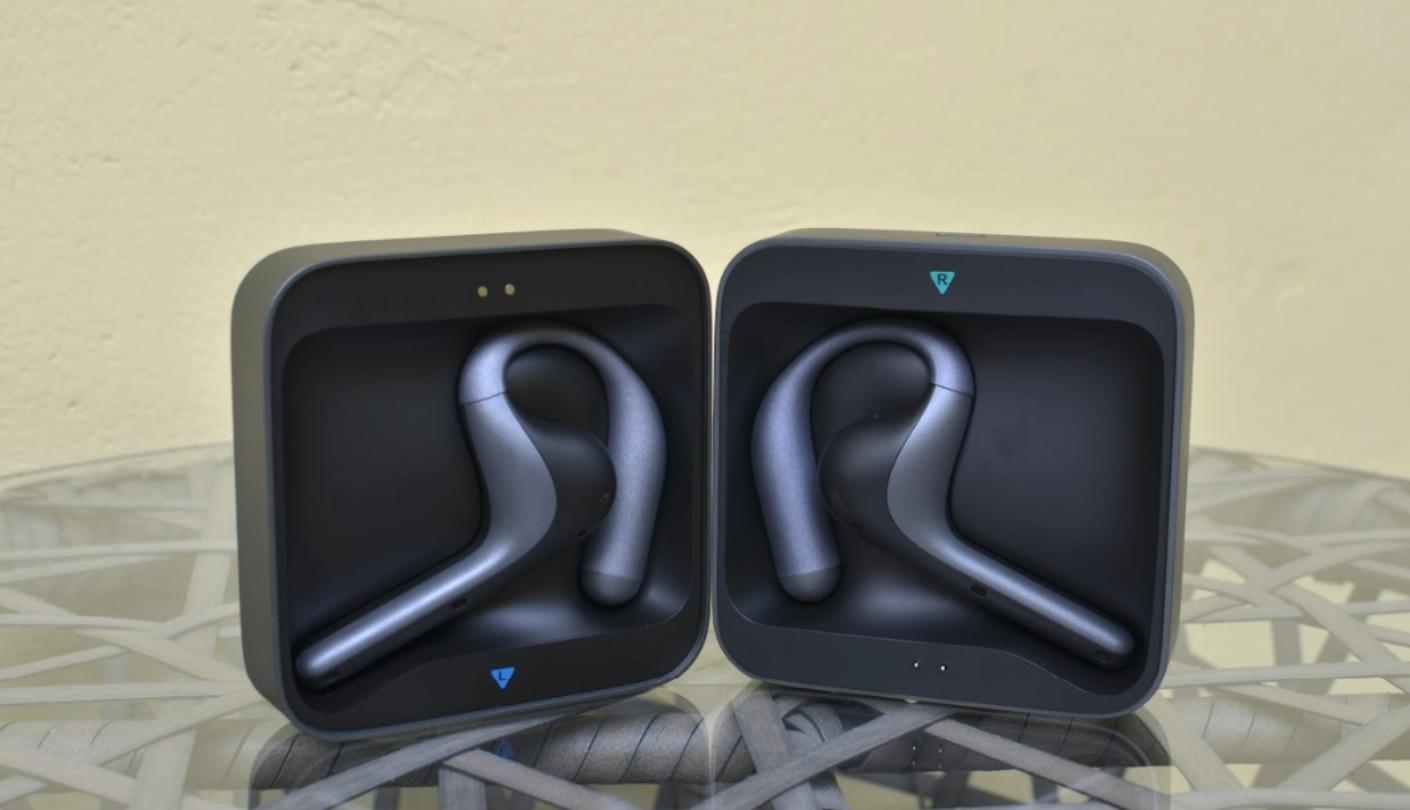
Image of the Timekettle W4 Pro. Source: gagadget.com
Timekettle W4 Pro requires the Timekettle app on iOS or Android, and without a connected smartphone most features are unavailable. The app covers all six translation modes, translation history, offline language pack management, and device settings. Mode switching is fast, and the translation history log is useful for post-meeting review. The platform advantage: W4 Pro works with any smartphone regardless of operating system - mixed iOS-Android environments create no compatibility friction.
AirPods Pro 3 reach their full capability only on iPhone with Apple Intelligence support. Live Translation without a compatible iPhone is simply absent. Automatic device switching, spatial audio, Find My integration, and hearing health features all depend on the Apple hardware family. For someone already committed to Apple across their devices, everything works without configuration. For anyone outside that ecosystem, the W4 Pro or Pixel Buds Pro 2 are the realistic options.
Pixel Buds Pro 2 are built for Android. The Pixel Buds app isn't available on iOS at all - settings, EQ, and feature management require an Android device. On Pixel phones, the integration goes deeper: Gemini AI hands-free, Conversation Detection that automatically switches to Transparency mode when you start talking to someone, and real-time call clarity improvements. On non-Pixel Android phones most of this still works, though without the tightest integration. On an iPhone, you get music playback and basic controls.
Head-to-Head Scorecard
After a few weeks with all three, here's where each device wins and loses across the categories that matter most.
| Category | Winner | Notes |
| Translation depth and modes | Timekettle W4 Pro | 6 modes including calls and media - competitors cover only face-to-face conversation |
| Language coverage | W4 Pro / Pixel Buds Pro 2 | W4 Pro covers 52 languages, Pixel Buds Pro 2 covers 40+ via Google Translate. AirPods Pro 3 is limited to 9 languages |
| Offline translation | Timekettle W4 Pro | Only device of the three with real offline capability - 13 language pairs |
| Sound quality | AirPods Pro 3 | Best-in-class audio, new acoustic architecture, clear margin over both competitors |
| Active noise cancellation | AirPods Pro 3 | Benchmark-setting for in-ear ANC in 2025-2026 |
| Outgoing call quality in noise | Timekettle W4 Pro | 3-mic noise reduction system delivers a cleaner voice signal in difficult conditions |
| Total battery life | Pixel Buds Pro 2 | 48 hours without ANC with case - best in category by a wide margin |
| Fit for extended wear | Timekettle W4 Pro | Open-ear design eliminates canal fatigue during all-day use |
| Ecosystem freedom | Timekettle W4 Pro | iOS and Android without restrictions - no platform dependency |
| Health features | AirPods Pro 3 | Heart rate tracking, hearing aid capability, hearing test - competitors have nothing comparable |
| Value for audio-first users | Pixel Buds Pro 2 | Lowest entry point of the three, strong audio and ANC without the W4 Pro premium |
| Water resistance | AirPods Pro 3 | IP57 allows brief submersion. Pixel Buds Pro 2 earns IP54 (dust + splash). W4 Pro is IPX4 (splash only) |
Who Should Buy Which
Timekettle W4 Pro - if translation is a serious professional tool for you.
Business negotiations with international partners, video calls with overseas colleagues, travel across Asia, Eastern Europe, or the Middle East - these are the scenarios where the W4 Pro earns its price and the competition runs out of feature set. Six modes means a specific tool for each scenario: One-on-One for a café meeting, Video Call mode for a Zoom with a foreign-language colleague, Media mode for subtitling foreign-language content in real time. Offline translation for 13 language pairs matters the moment you're in a country with unreliable mobile data. Open-ear design means you can wear it for an eight-hour conference day without ear fatigue. The 3-mic noise reduction system means calls in noise are genuinely clear.
AirPods Pro 3 - if you're inside the Apple ecosystem and want one device that does everything well.
The best sound. The best ANC. Heart rate tracking and hearing health that neither competitor approaches. Live Translation that works without launching a separate app. For travel across Western Europe, North America, Brazil, and Japan, nine languages covers the overwhelming majority of situations. The trade-off is a recent iPhone required for translation and a hard ceiling on which languages are supported. For tens of millions of iPhone users traveling mostly within that language set, this is the most integrated daily option available.
Pixel Buds Pro 2 - if you're on Android, want strong everyday earbuds, and need translation as a capable bonus feature.
Strong ANC, 48 hours total battery, Google Translate covering 40+ languages, Gemini AI for everything else. The Pixel Buds Pro 2 are for someone who wants earphones that handle music, calls, noise cancellation, and everyday translation - and doesn't need the professional translation workflow the W4 Pro was built for. At the lowest price of the three, they make the clearest case for their cost.
Final Take
A few weeks with all three clarified something the spec sheets obscure: translation is not a feature with a single difficulty level. Ordering coffee in Barcelona and conducting a contract negotiation in Tokyo are both "translation" in the same way that a neighborhood jog and a marathon are both "running." The Timekettle W4 Pro is the only device here built for the full spectrum of that demand.
AirPods Pro 3 and Pixel Buds Pro 2 serve a different and larger audience: people who want excellent earbuds with translation as part of the package. Apple's execution within nine languages is polished and ecosystem-native. Google's language depth through Translate is broader. Both are limited to live conversation as the only translation scenario.
Buy based on what you actually need translation to do. Frame that scenario clearly, and the right answer from these three becomes obvious. If the W4 Pro is that answer, use code GAGADGET at timekettle.co for extra 5% off at checkout.

Meet James, our go-to tech guru and seasoned reviewer. His sharp attention to detail and love for gadgets drive his deep dives into the newest tech waves. James's insightful analysis and real zest for breakthroughs have earned him a solid reputation in the tech world.


