At gagadget.com, your trust is our priority. We follow strict quality standards in our research, tests, and analysis of video projectors, to give you the best experience. Learn more
Best Laser Projectors
Laser projector brightness specs are among the least honest numbers in consumer electronics - manufacturers mix ANSI lumens, peak lumens, and LED lumens in their marketing depending on which figure looks best, and comparing them directly is meaningless. I've seen a projector rated at 3000 lumens by one measurement standard look noticeably dimmer in a real room than a competing model rated at 2200 ANSI lumens, simply because the standards aren't equivalent.
I've tested the models on this list across different room conditions - darkened home theater setups, ambient-lit living rooms, and mixed-use spaces - checking how brightness holds up over time, how quickly each unit reaches stable color temperature, and whether the smart TV platforms actually perform well enough to use daily. What I found is that throw distance tolerance is tighter than manufacturers admit, that ultra-short-throw placement looks simple in diagrams but requires more precision in practice, and that input lag figures for gaming modes vary significantly depending on which resolution and refresh rate combination you actually run.
If you're short on time and looking for a good laser projector, here are my top picks:
We may earn a small commission if you buy via our links - it helps keep gagadget.com running.
Table of contents:
- Laser Projectors - Buyer's Guide
- Best Laser Projectors - TOP 6
- Laser Projectors for Home Theater: Comparison
- SAMSUNG SP-LSP9TFAXZA
- NexiGo Aurora Pro
- LG HU85LA
- Epson EF11 Mini
- JMGO N1 Pro
- WEMAX Nova
- FAQ about Laser Video Projectors
Laser Projectors - Buyer's Guide
If you know what to look for, choosing the right projector is straightforward. The type of laser projector you need depends on your intended use and specific requirements. Here are the key factors to consider:
- Resolution: The higher the resolution, the sharper and more detailed the image. If you plan to use your laser projector for high-quality movie watching, gaming, or business presentations, consider a 4K or Full HD resolution model.
- Brightness: The brightness of a laser projector is measured in lumens. For a home theater or dark room, 1000-2000 lumens is sufficient, while for a well-lit room or outdoor use, you'll want a minimum of 3000 lumens.
Always look for ANSI lumen ratings specifically - peak lumens and LED lumens figures are measured differently and will read higher on paper while performing worse in a real room. A 2000 ANSI lumen projector will outperform a 3000 peak lumen model in most real-world conditions.
- Contrast Ratio: The contrast ratio determines the difference between the brightest and darkest parts of an image. A higher contrast ratio produces a more vivid and dynamic picture.
- Throw Distance: For small rooms, an ultra-short-throw projector is the best fit, while larger spaces may require a standard or long-throw model. Placement tolerance is tighter than spec sheets suggest, so measure carefully before buying.
- Connectivity: Make sure the projector has the necessary input ports for your devices - HDMI, USB, or VGA - and check whether the HDMI ports support the version your source devices require.
Consider these factors alongside your specific room conditions to determine the right laser projector for your setup.
Best Laser Projectors - TOP 6
I have tested and selected the best laser projectors for you. They will take your home entertainment and movie nights to the next level.
- High picture quality
- Tizen operating system
- 4K resolution up to 130 inches
- 4K resolution, HDR10, HLG
- Brightness 2500 Lm and dynamic contrast ratio up to 3000:1
- Built-in 60W Stereo Speakers with Dolby Atmos Support/Dolby Vision Support
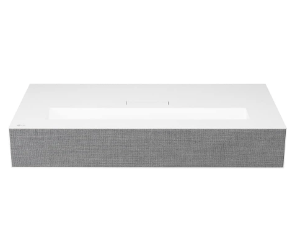
- 3 channel laser, physical resolution: 3840x2160
- Laser, brightness: 2700 lumens
- Projection ratio: 0.19:1, distance 1.2'-1.7'
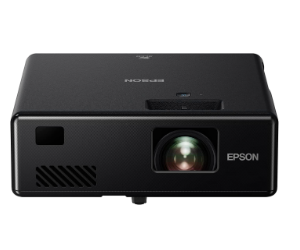
- Compact size and light weight
- Built-in stereo system
- Miracast Wireless connection
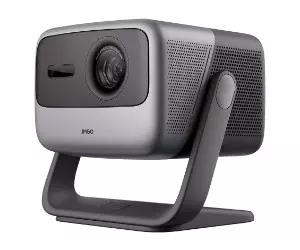
- 1920 × 1080 FHD resolution (4K supported)
- Brightness 1500 Lm, Wireless/Bluetooth/Wi-Fi/HDMI/USB
- Built-in 10W*2 Stereo Speakers with Dolby Audio and DTS decoding
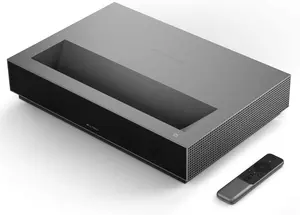
- Placed directly under the screen
- Great price to performance ratio
- Built-in quality sound
Laser Projectors for Home Theater: Comparison
I have selected the top 6 laser projector models on the market and provided detailed reviews of their features, image quality, connectivity, and ease of use.
| Projector Model | Resolution | Lumens | Contrast Ratio |
|---|---|---|---|
| SAMSUNG SP-LSP9T | 4K UHD (3840x2160) | 2,800 | 2,000,000:1 |
| NexiGo Aurora Pro | 4K UHD (3840x2160) | 2400 | 3000:1 |
| LG HU85LA | 4K UHD (3840x2160) | 2,700 | 2,000,000:1 |
| Epson EF-11 | WXGA (1280x800) | 1,000 | 2,500:1 |
| JMGO N1 Pro | Full HD (1920×1080) | 1500 | 1600:1 |
| WEMAX Nova | Full HD (1920x1080) | 2,200 | 8,000:1 |
Let's dive in and discover the top-rated laser projectors!
SAMSUNG SP-LSP9TFAXZA Top Laser Projector Review
Editor's Choice
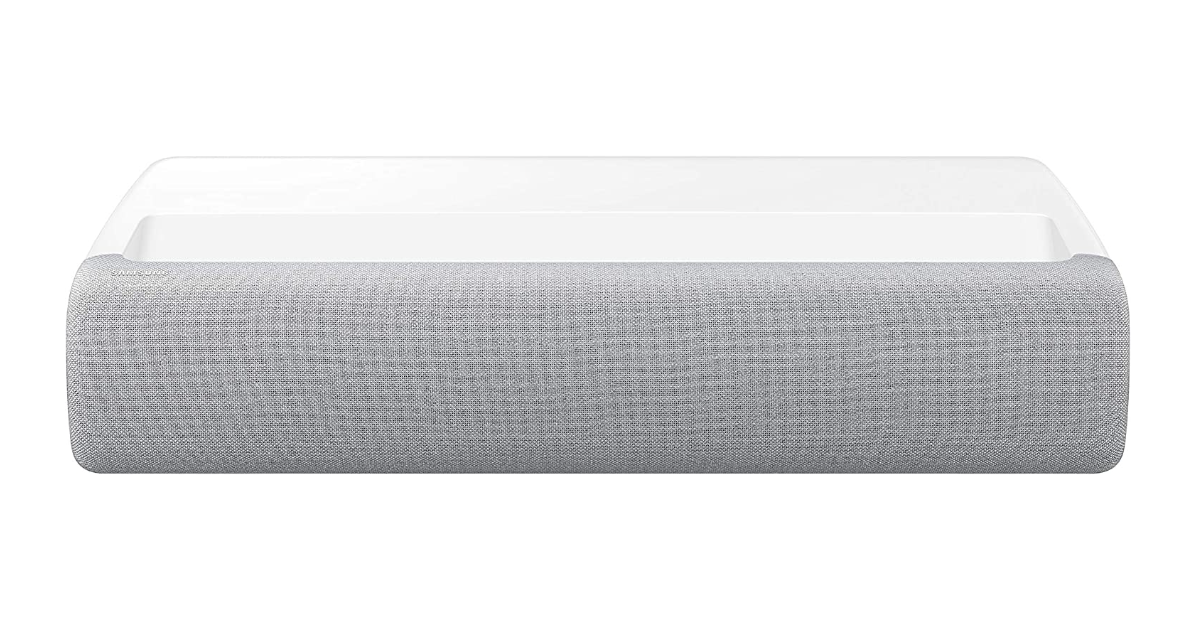
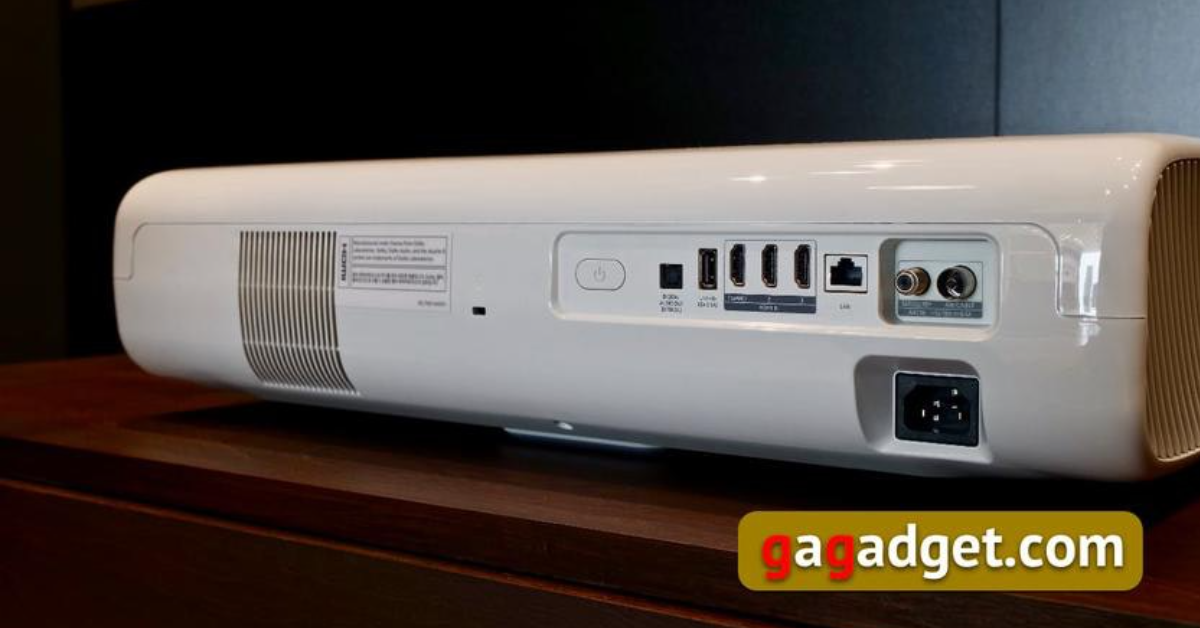
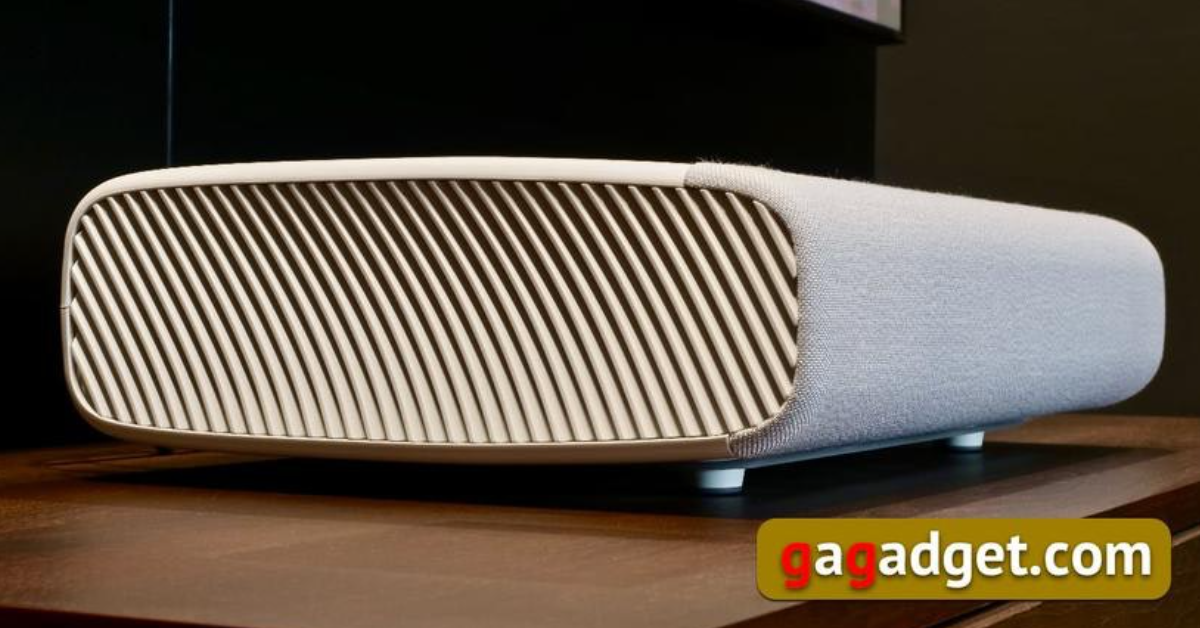
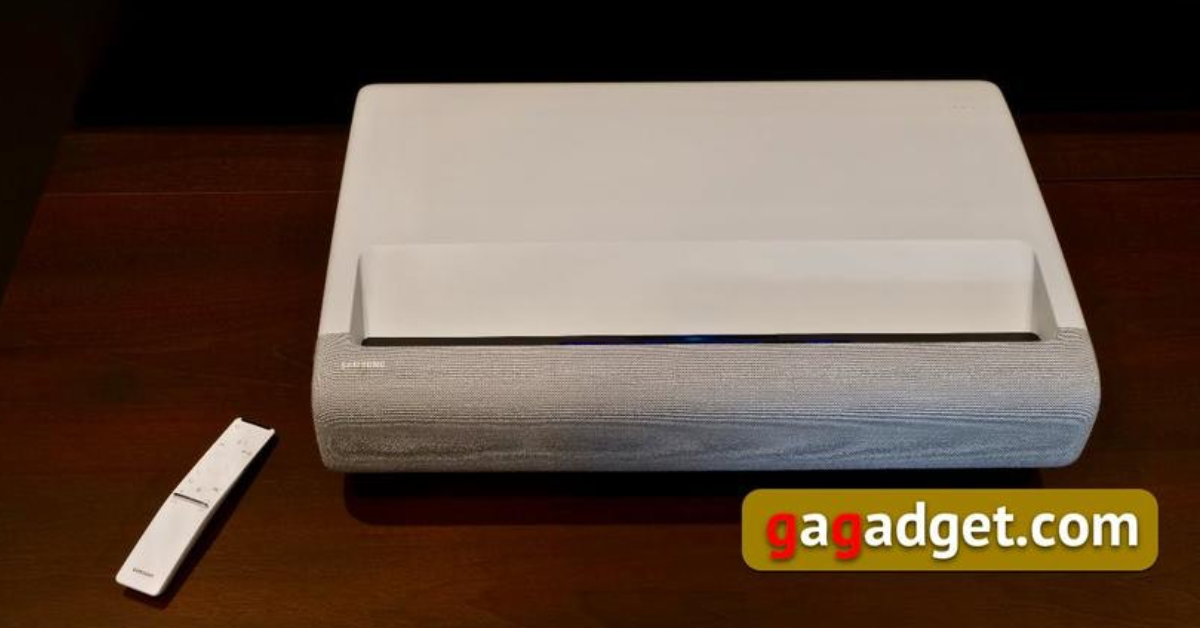
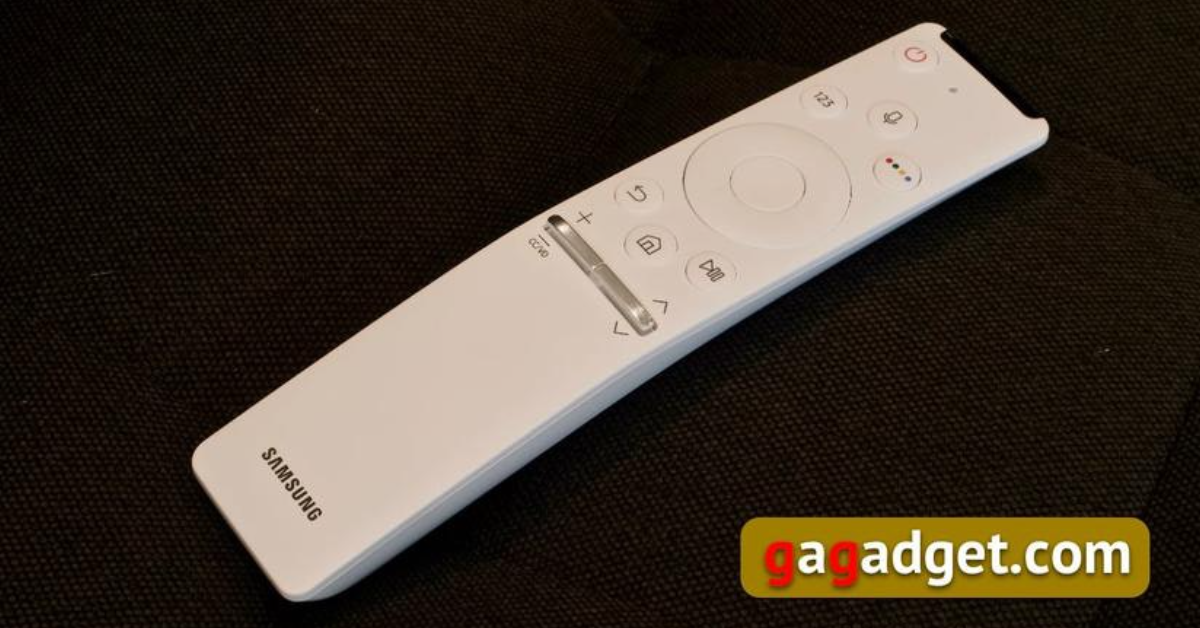
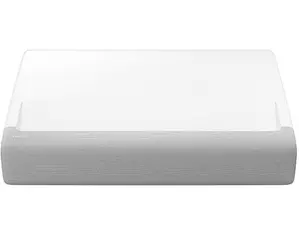
South Korean corporation Samsung entered the projector market by announcing itself with a high-level model, the SP-LSP9TFAXZA. Samsung equipped its projectors with all the functionality available for home devices.
"The heart" of the device is a system of lasers, which emit light in three colors and DMD matrix, the physical resolution of which is 3840×2160. The brightness of the projector in maximum mode is 2800 Lumens.
This is a great value if you want to use the projector in a non-darkened room or in daylight.
The screen size can be adjusted from 100 to 130 inches.
The device supports HDR10+ extended color range. The projector has smart functionality: Samsung's proprietary operating system for TVs called Tizen. The operating system supports Apple AirPlay 2 technology, built-in Google Assistant and Amazon Alexa.
In case you are ready to sacrifice some features and save some money, Samsung has a simplified model: the SP-LSP7T. It also supports 4K and all branded advantages, but has less brightness - 2200 Lumens - and a compromised sound system at 2.2 channels with 30W output.
You can learn even more about this projector in the review - Samsung SP-LSP9T 4K Laser Projector Review
Pros
- Tizen operating system with many apps
- Great built-in acoustics
- Ultra short focus
Cons
- No 3D support
- No Dolby Vision and Atmos support
Summary: The SAMSUNG SP-LSP9TFAXZA laser projector offers 4K image resolution up to 130 inches with energy efficiency and a long-lasting laser light source rated up to 20,000 hours of usage. The UST laser projector has smart TV capabilities with built-in voice assistants, providing easy access to streaming services and smart home devices. This laser projector is a strong choice for those who value high-quality visuals and user convenience.
NexiGo Aurora Pro Laser Projector Review
Best Overall
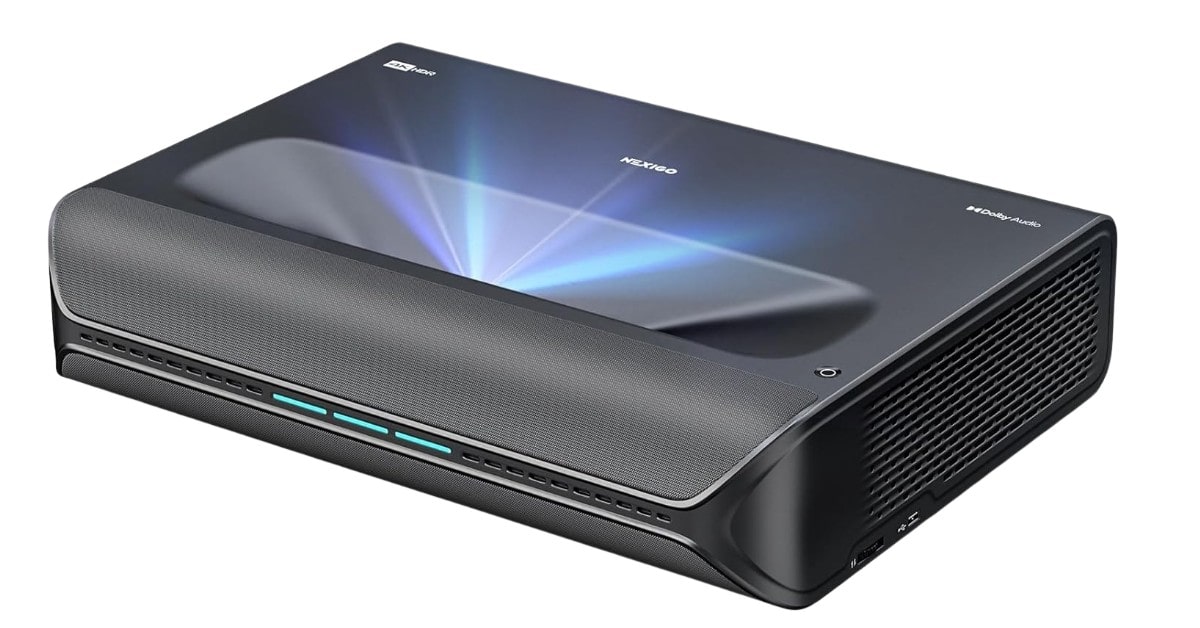
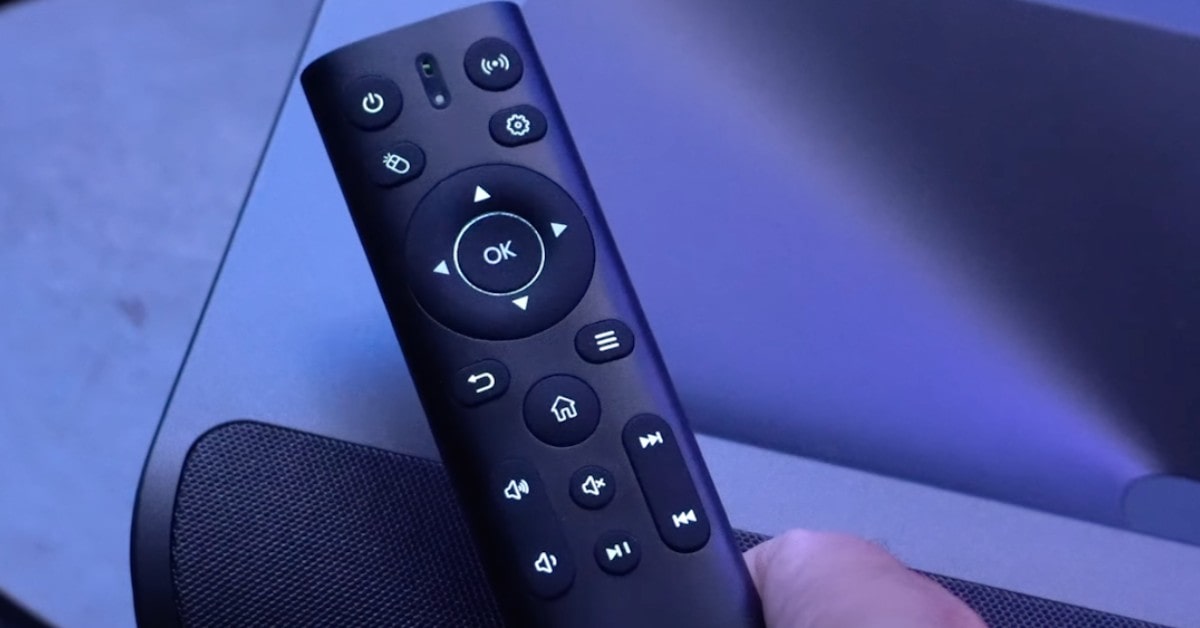
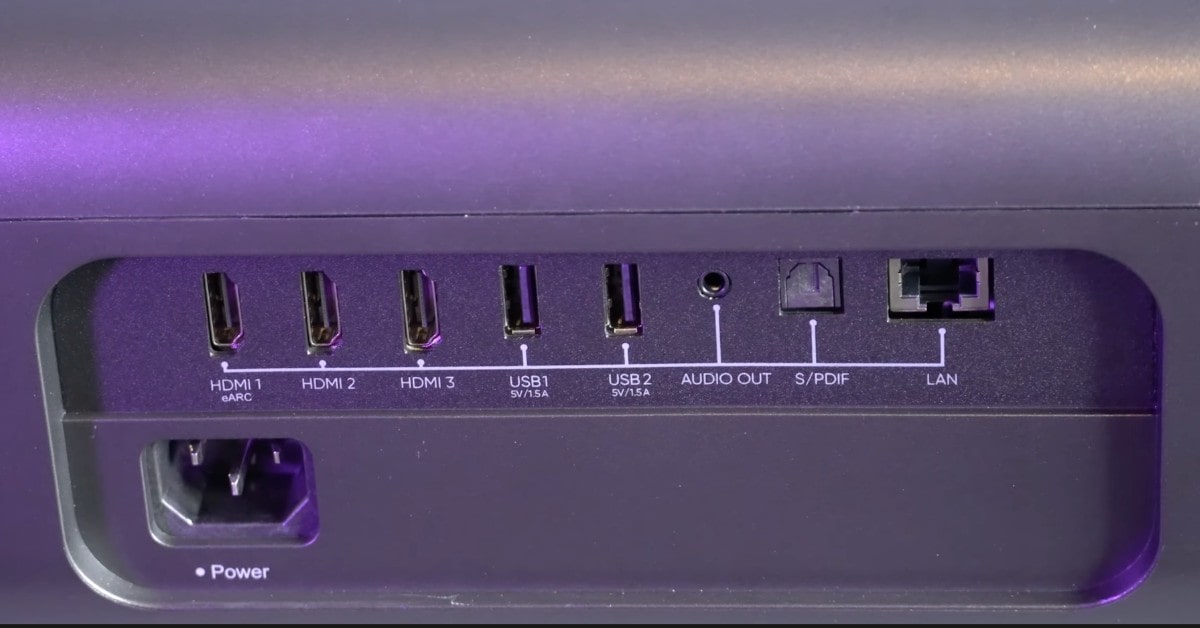
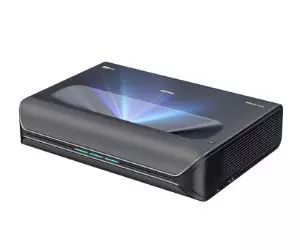
The NexiGo Aurora Pro laser projector is designed to produce strong visual quality right out of the box with minimal calibration needed. It offers four screen options and uses industrial-standard ANSI Lumens for accurate brightness representation, avoiding misleading marketing terms like PEAK Lumens and LED Lumens.
The projector uses ALPD 4.0 RGB+ technology, producing a native contrast ratio of 3000:1. Its dynamic laser dimming technology improves black levels by more than 60% while saving over 30% in energy. For sound, the Aurora Pro features built-in 60W stereo speakers, including two 15W woofers and two 15W tweeters, and supports Dolby Atmos for immersive surround sound. It also supports Active 3D movies.
A standout feature is its Dolby Vision support, making it the only UST projector on the market with this capability, along with a native contrast ratio of over 3000:1 and dynamic laser dimming. The Aurora Pro also performs well for gaming, with ultra-smooth motion from 120Hz MEMC and a low input lag of 12ms, supporting 4K@120Hz input.
Pros:
- Out-of-the-Box Color Accuracy
- ALPD 4.0 RGB+ technology delivers a native contrast ratio of 3000:1
- Dynamic laser dimming technology improves black levels
- Built-In 60W Stereo Speakers
- Dolby Atmos Support and Dolby Vision Support
- Low Input Lag of 12ms / 120Hz
Cons:
- Large size
- Placement options are more restricted compared to traditional projectors
Summary: The NexiGo Aurora Pro laser projector produces strong out-of-the-box color accuracy with minimal calibration needed. It features ALPD 4.0 RGB+ technology for a native contrast ratio of 3000:1 and dynamic laser dimming to improve black levels. The projector includes built-in 60W stereo speakers, Dolby Atmos support, and Active 3D movie capability. It's the only UST projector with Dolby Vision support. For gamers, it offers ultra-smooth motion with 120Hz MEMC and a low input lag of 12ms, supporting 4K@120Hz input.
LG HU85LA UST 4K Laser Home Projector Review
Premium Choice
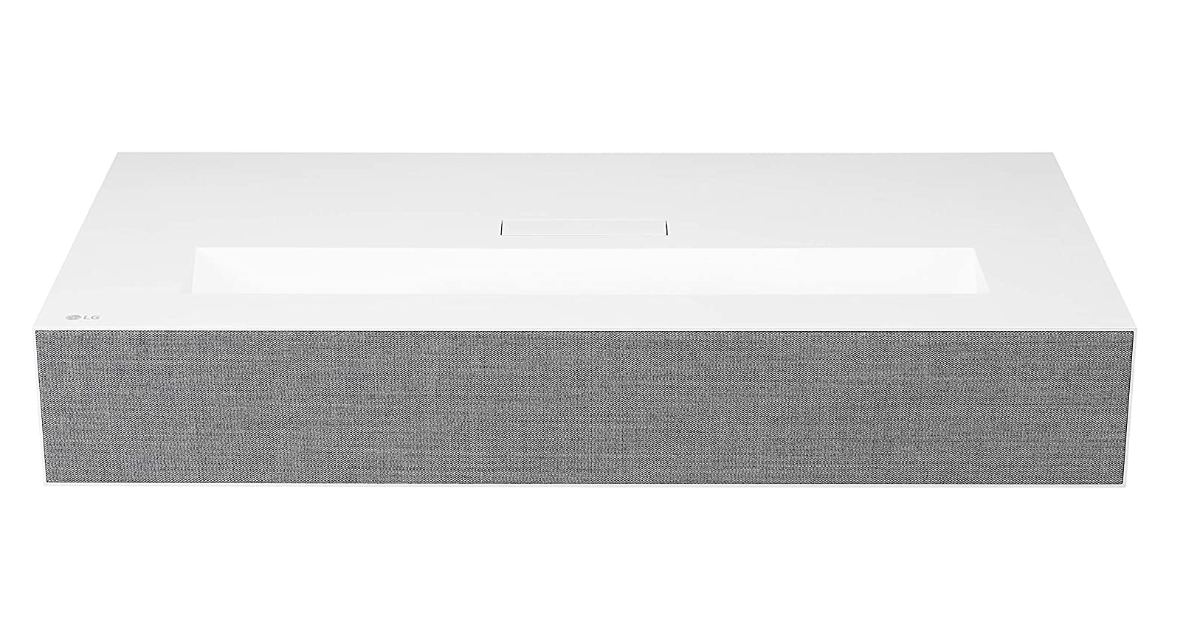
Ultra-short throw projectors are a fairly new class of device that is quickly gaining popularity due to the convenience and ease of installation. You do not need to find the best place in the room, screw the bracket to the ceiling and do the calculations. It's enough to install a screen and place the projector underneath.
The LG HU85LA has no color wheel in its design. It uses three-channel laser technology rather than a conventional DLP design, which produces a wide color gamut and strong color accuracy. The service life of the laser light source can reach 20,000 hours.
The optical system of the projector uses an alignment system of 12 independent points to correct distortions. The device is equipped with a DLP matrix from Texas Instruments with 4K UHD resolution at 3840×2160 pixels.
The brightness is well suited for home use at 2700 lumens - no need to worry about dark curtains on the window. The dynamic contrast stated in the characteristics reaches 2,000,000:1.
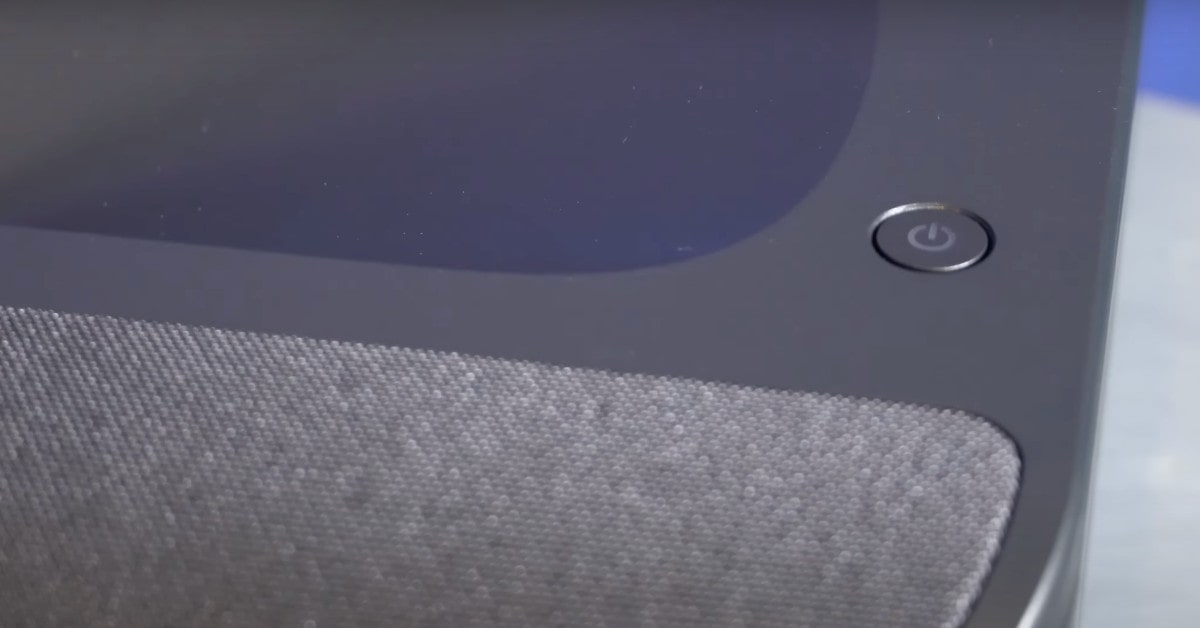
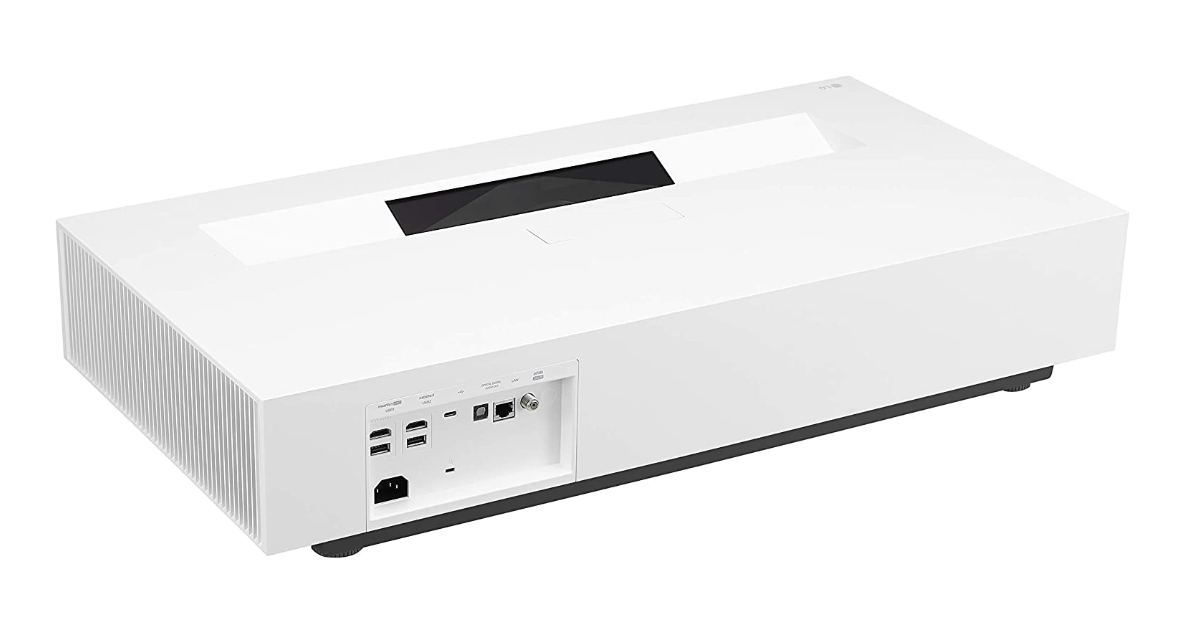
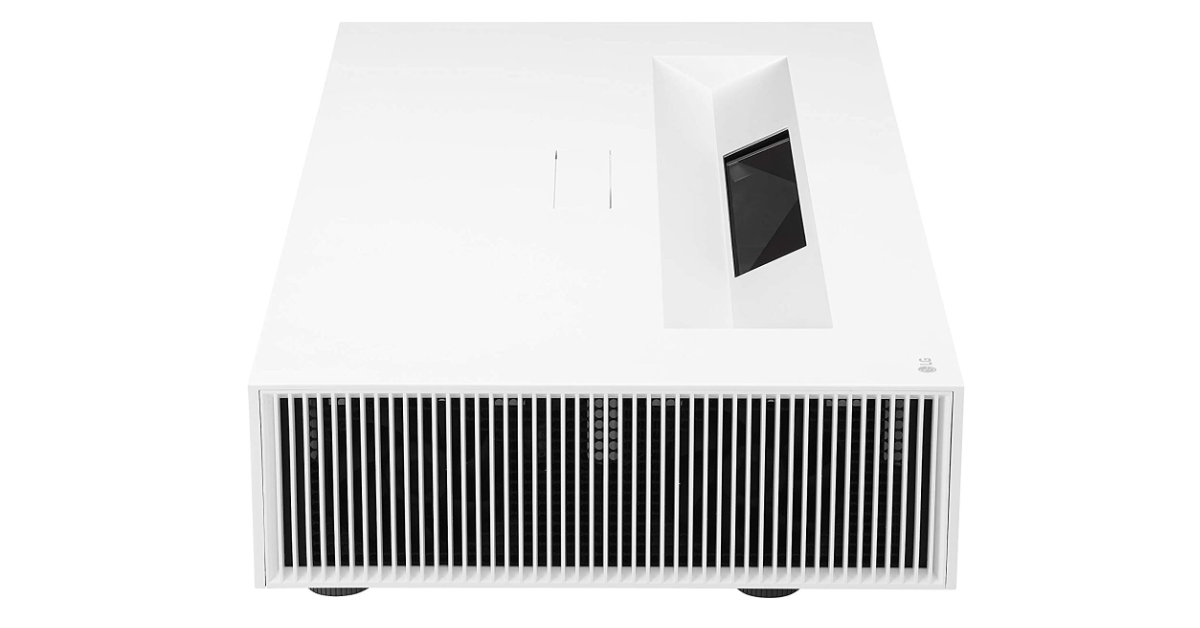
The projector body measures 26.8"×5.0"×13.7" and weighs 27 lbs. The front panel contains a stereo speaker system rated at 10W, with projection lenses on top. The rear panel includes 2×HDMI, LAN, 2×USB 2.0, USB Type C, S/PDIF and a digital TV tuner input.
Pros:
- Built-in Alexa
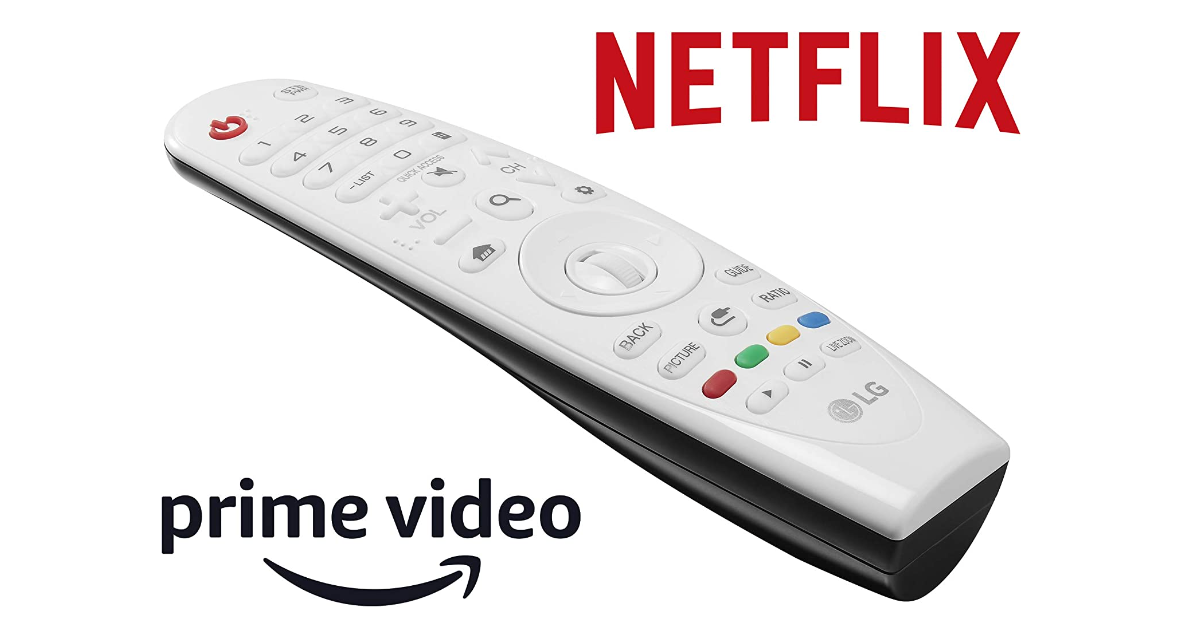
- Remote control
- Access to LG Smart TV webOS with all major streaming apps
- Minimalist design
Cons:
- Quite heavy compared to the rest
Summary: The LG HU85LA laser projector is a strong option for an immersive home entertainment setup. With 4K resolution, HDR10 support, and 2700 lumens brightness, it produces sharp images up to 120 inches wide in a range of room sizes. Its ultra-short throw design maintains clarity at short distances from the wall or screen. Built-in streaming via webOS and LG's Magic Remote make daily use easy, and 20,000 hours of rated laser life makes this a long-term investment.
Epson EF11 Mini Laser Projector Review
Best Budget
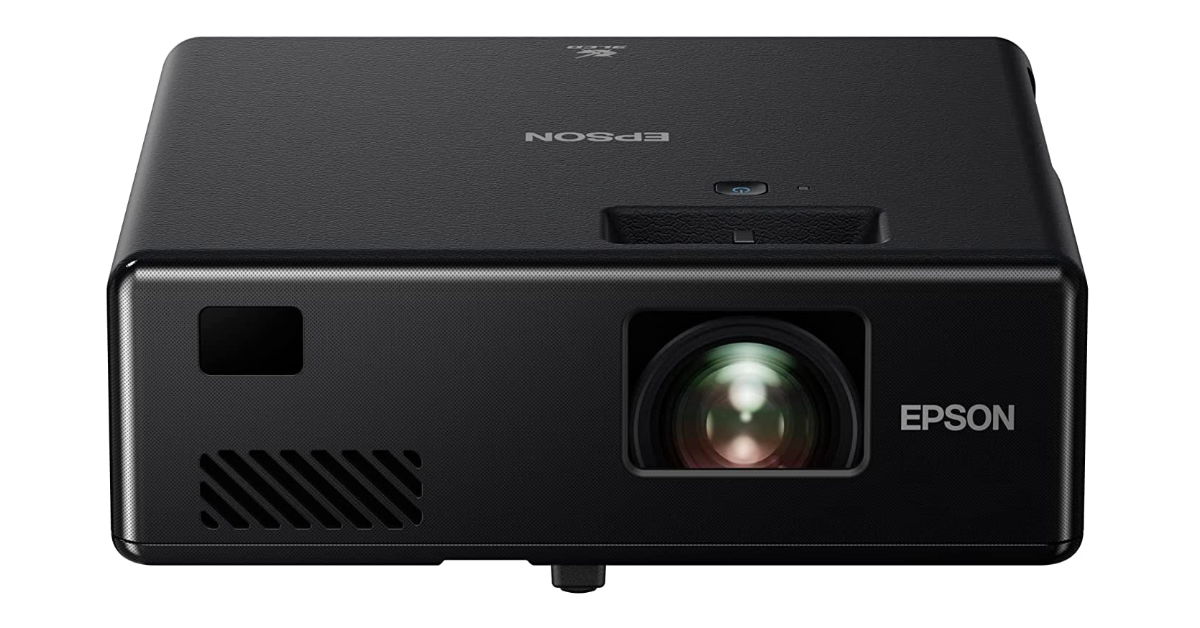
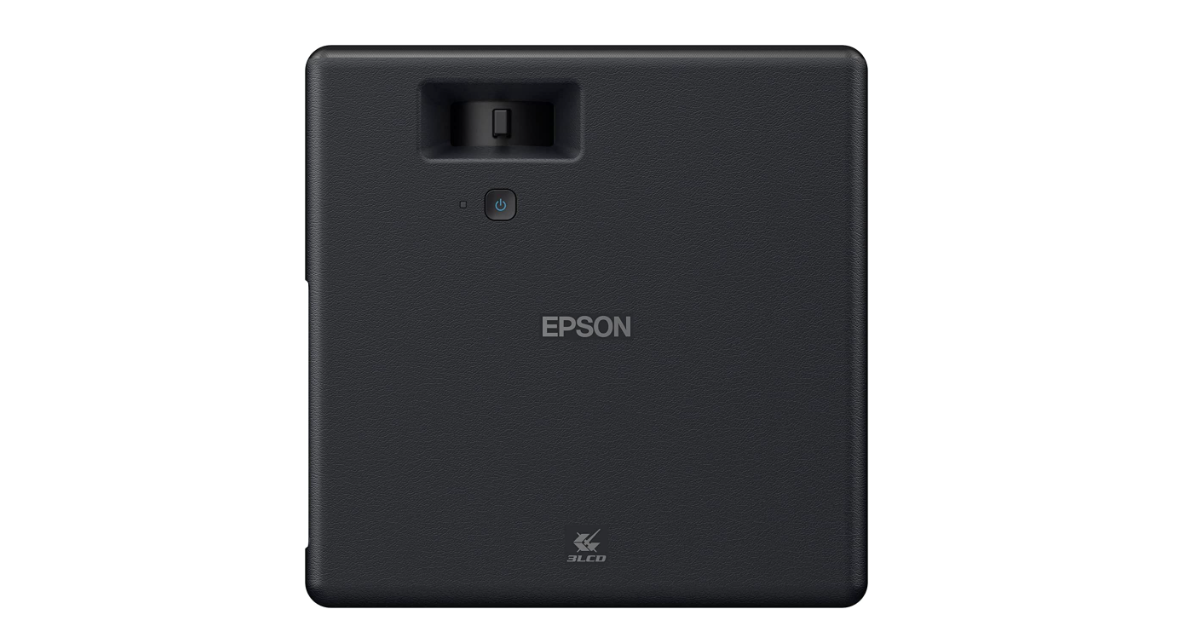
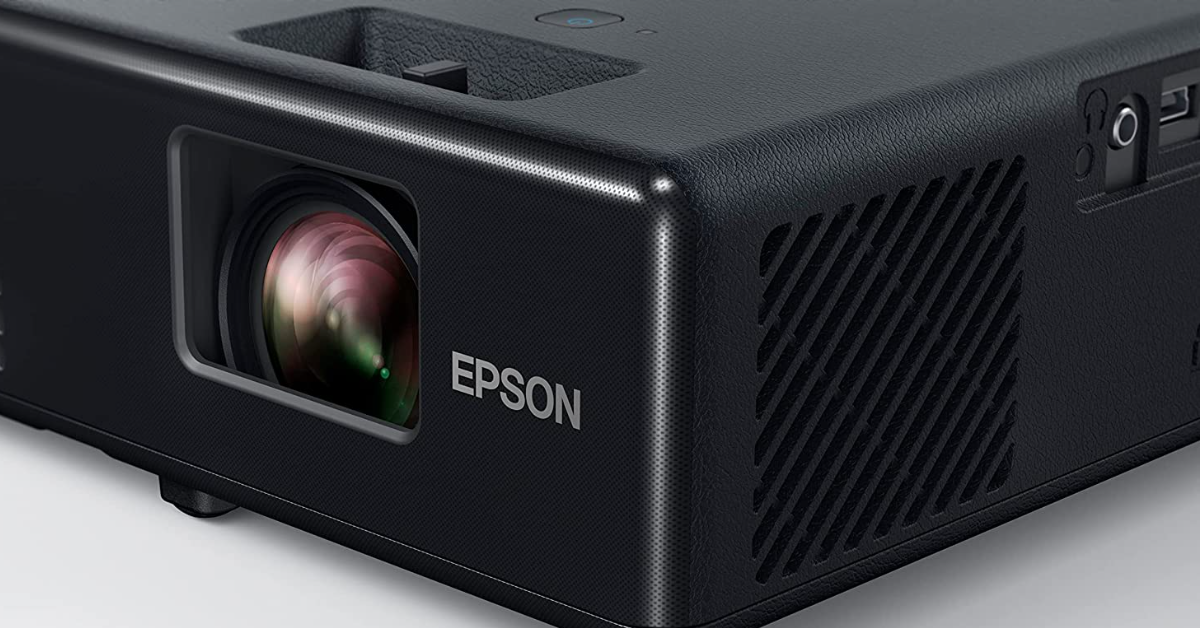
A compact solution from Epson, the EF-11 is a very small projector measuring 7×18×18 cm and weighing only 1.2 kg - you can carry it in a small city backpack. It works well at a party to show clips on the wall, or on vacation for evening viewing sessions.
Brightness in standard mode is 1000 lumens and 500 lumens in economy mode. The contrast ratio is 2,500,000:1. The device uses a 3LCD matrix, which gives it an advantage in color display quality and brightness consistency.
The maximum projection size can reach up to 150 inches diagonally, though at that size comfortable viewing requires total darkness. On a 100" screen this brightness level is comfortable.
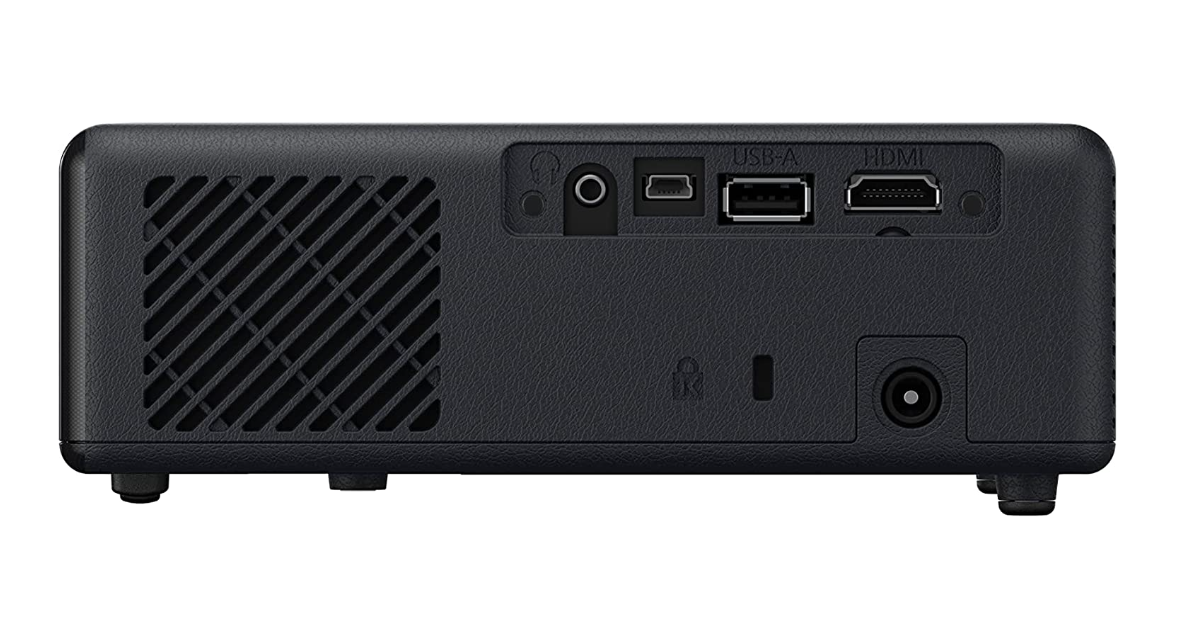
Built-in sound is limited at 2 watts, which is appropriate for such a compact device. An external wired speaker can be connected via the 3.5mm output. The device supports smartphone screen mirroring via Miracast. The connector set is minimal but sufficient: HDMI, USB 2.0 Type A, USB 2.0 Type B, and a 3.5mm mini jack line output.
Pros
- Compact size and light weight
- Great picture quality
Cons
- Lack of Smart TV functionality
Summary: The Epson EF11 Mini laser projector stands out for its compact and portable design. It produces bright, clear images with a high contrast ratio, built-in speakers, and wireless connectivity to smartphones and tablets. It also connects to laptops or gaming consoles via HDMI. Its long-lasting laser light source reduces the need for frequent bulb replacements.
JMGO N1 Pro Laser Projector Review
Best Portable
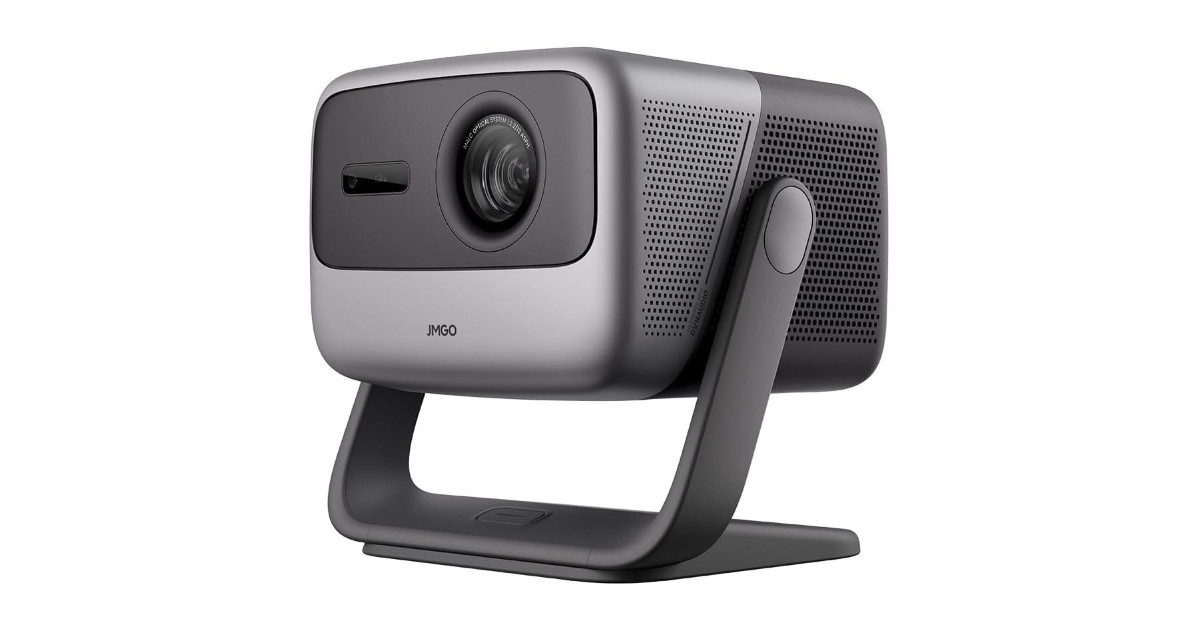
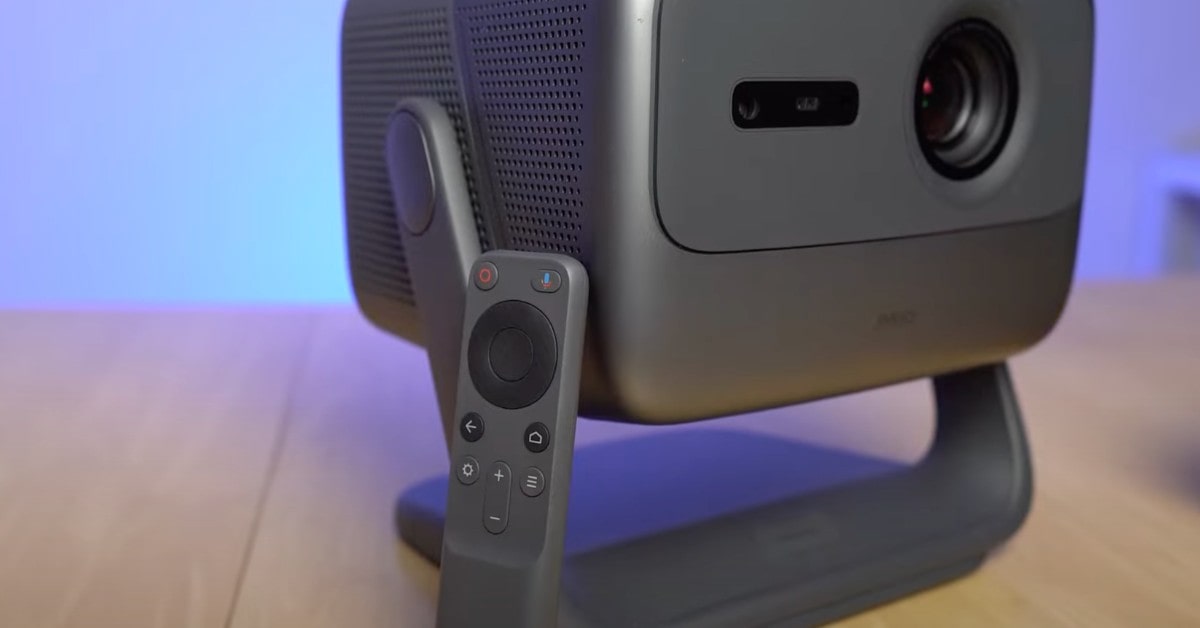
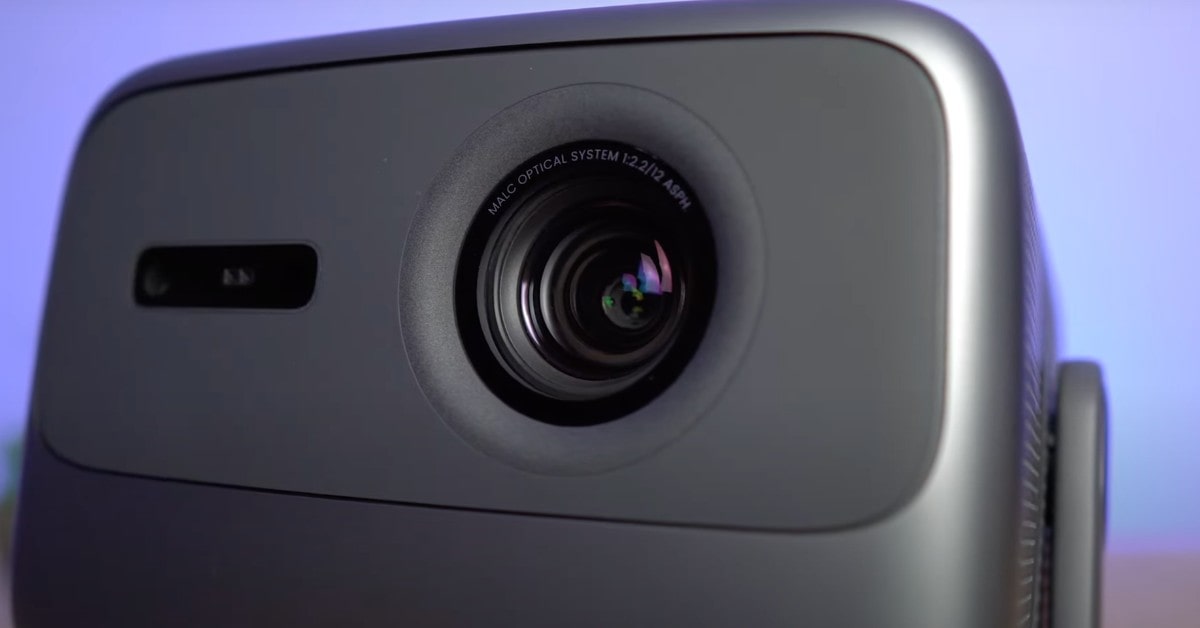
The JMGO N1 Pro laser projector is a high-performance device designed for an immersive home cinema experience. It features native 1080P resolution (1920×1080 FHD) with 4K support, 110% BT.2020 gamut coverage, HDR 10, and a 1600:1 contrast ratio, producing strong image quality on a 150" screen even in daylight.
The projector offers 360° horizontal and 135° vertical adjustment, allowing flexible placement with real-time keystone correction and auto-focus. Its multi-adaptive system uses 3D TOF Sensors and CMOS Hi-res Cameras with smart algorithms for auto keystone correction, smart object avoidance, and auto screen fitting.
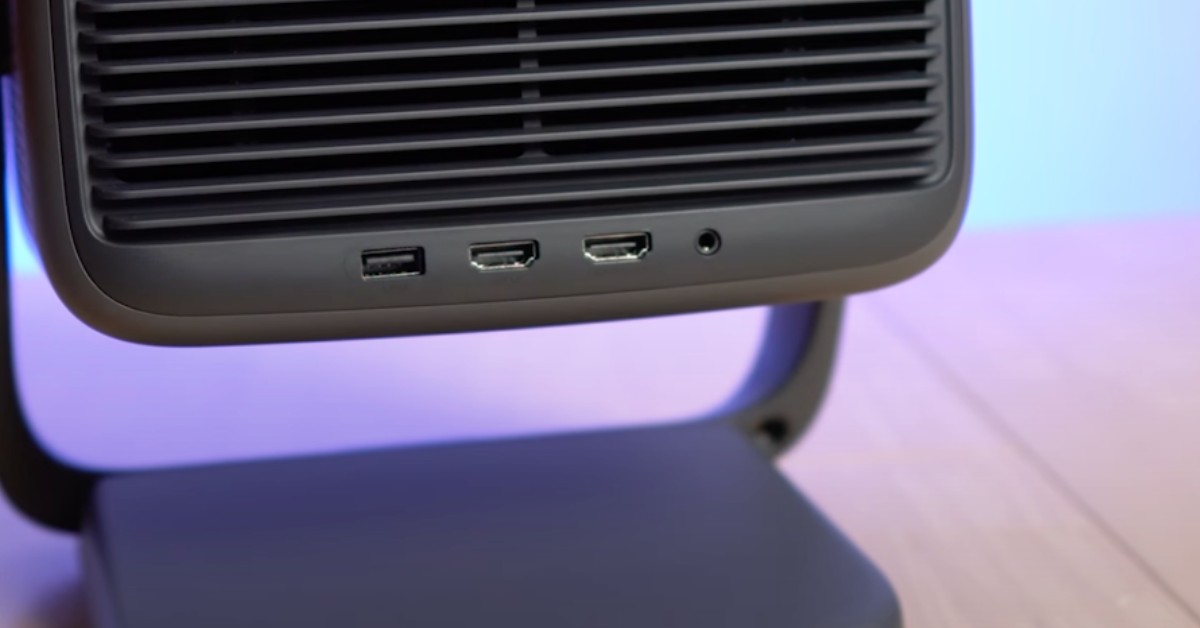
With 3D Blu-ray and MEMC support, the N1 Pro works well for both movies and gaming. It runs on Android TV 11, features two HDMI 2.1 ports and one USB-A 2.0 port, and supports Google Play, Google Assistant, and built-in Chromecast for content sharing. Audio is handled by a 10W×2 system with 45Hz low-frequency bass, certified by Dolby Audio and DTS decoding, co-developed with Dynaudio.
Pros
- Native 1080P with 4K support, HDR 10, 1600:1 contrast, and 150" screen
- 360° horizontal and 135° vertical adjustment with real-time keystone correction and auto-focus
- Advanced auto-calibration system
- 3D Blu-ray and MEMC support
- Two HDMI 2.1 ports, Google Play, Google Assistant, and Chromecast
- 10W×2 audio with Dolby Audio and DTS decoding, co-developed with Dynaudio
Cons
- Advanced features may require a learning curve for users new to projector technology
- Not the brightest option available at this price point
Summary: The JMGO N1 Pro Laser Projector produces strong image quality with native 1080P resolution and 4K support on a 150" screen. Flexible adjustment options, real-time keystone correction, and auto-focus make it easy to place in a range of room configurations. The projector supports 3D Blu-rays and MEMC, runs Android TV 11, and connects via HDMI 2.1 and USB ports. Its 10W×2 audio system with Dolby Audio, DTS decoding, and Dynaudio co-development rounds out a strong home theater package.
WEMAX Nova Smart 4K Laser Projector Review
Best for Multi-Device Video Compatibility
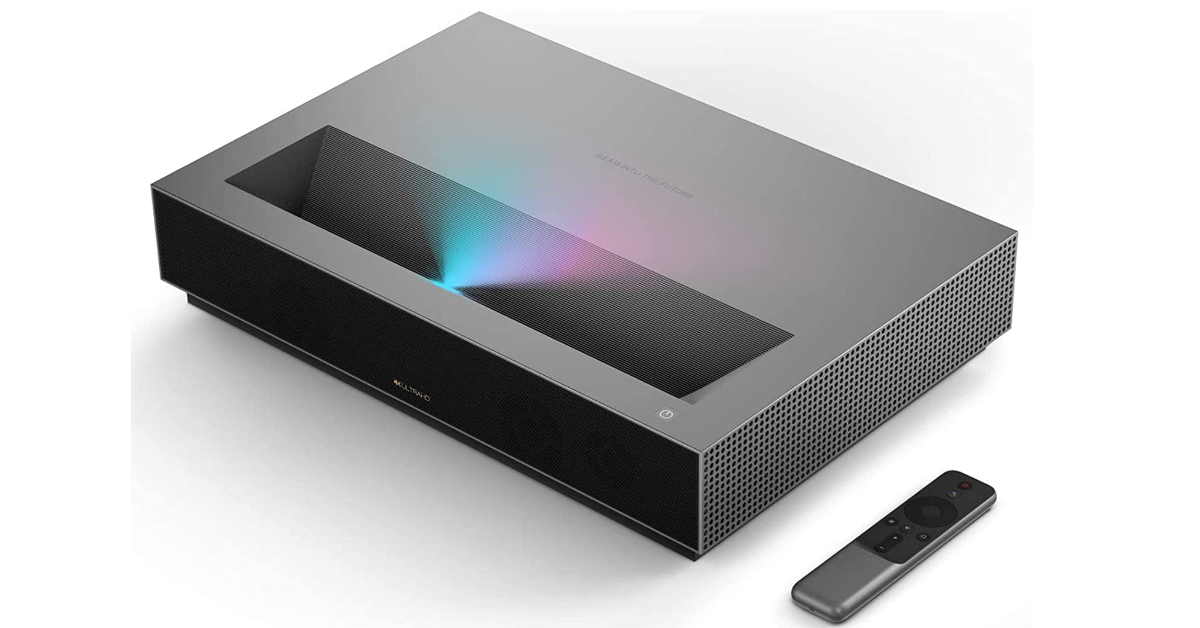
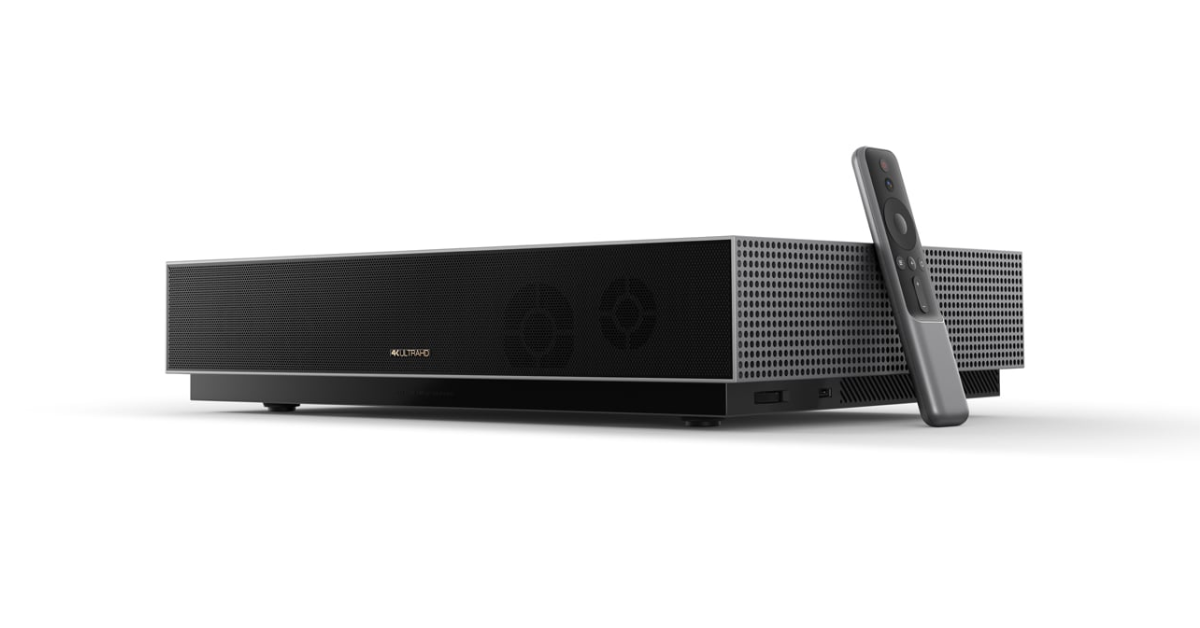
The Wemax Nova is an ultra-short-focus projector from the Chinese electronics manufacturer, produced in partnership with Appotronics, one of the largest makers of professional projection equipment.
The projector sits at a lower price point than competitors with similar functionality and projects a 150-inch diagonal image from just a few inches away from the screen.
The DMD matrix has a resolution of 3840×2160, maximum brightness reaches 2100 lumens, and the contrast level is 1,500,000:1. The front panel houses speakers rated at 30W total with Dolby Virtual Surround support. The projection lens sits on the top cover.
The operating system is Android TV 9.0 with a wide range of applications and Google Assistant, accessible via a microphone built into the remote control.
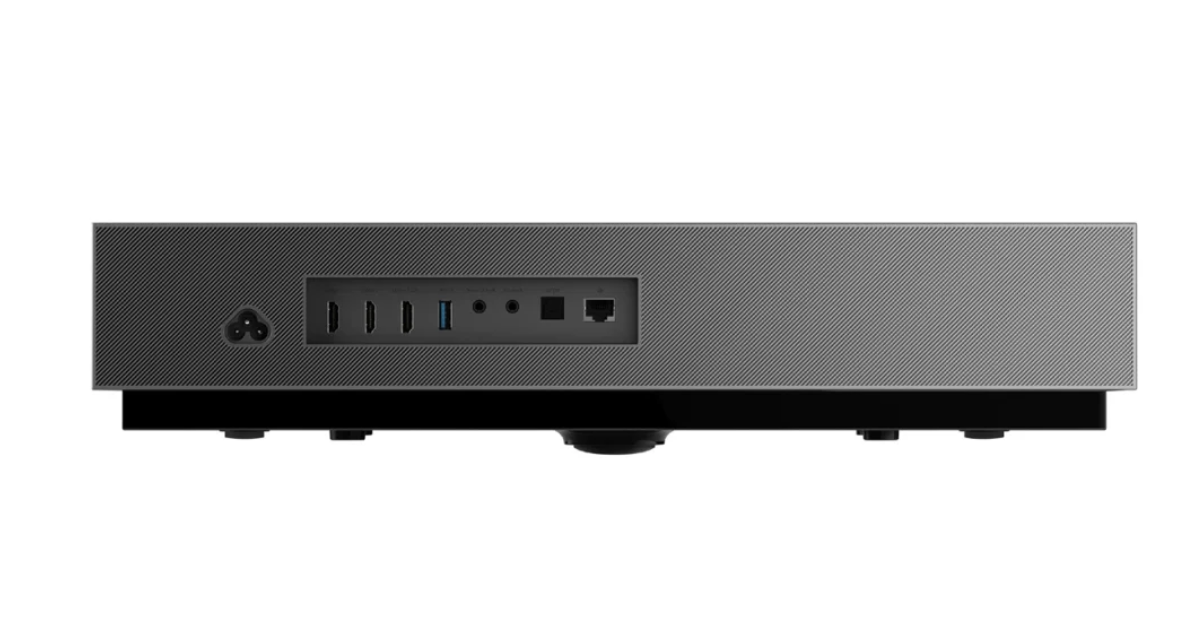
Interface connectors are grouped on the rear: three HDMI 2.0 ports (one with ARC support), two USB 2.0 ports, a 3.5mm mini jack for headphones, Ethernet, and S/PDIF. Wireless connectivity includes dual-band WiFi 2.4/5GHz and Bluetooth 4.1.
Pros
- Ultra-short focus
- Screen diagonal up to 150 inches
Cons
- Netflix requires a Fire TV stick or similar streaming device for compatibility
Summary: The WEMAX Nova Smart 4K Laser Projector is a strong choice for high-quality image projection. Its contrast ratio reaches 1,500,000:1 with 4K resolution, and its laser light source is rated up to 25,000 hours. The compact design is easy to install, and smart features include voice control, built-in Wi-Fi, and streaming service access. Flexible connectivity via HDMI, USB, and Ethernet rounds out a capable package.
More Helpful Tips for Laser Projector Shoppers
Laser Projector For Home Theater
If you want the best possible film watching experience, get a home theater projector. Theater projectors focus on high contrast and deep colors. They work best in a dedicated media room where you can reduce light from outside sources like windows or doors.
When choosing a laser projector for your home cinema, take into account the room size and darkness level, as this determines how many lumens you need. You also want to confirm that the projector supports 4K resolution and HDR compatibility.
Some people may be content with a 1080p projector, but 4K ensures a much better image quality. If you have a large screen, 4K matters more - on bigger screens pixels are stretched further and pixelation becomes more visible on a 1080p model. Most home theater projectors use native 16:9 HD aspect ratios.
Laser Projector For Living Room
Living rooms present a specific challenge for projection: you need a large, bright image in a well-lit space that often lacks the throw distance for a traditional projector. Ultra-short-throw laser projectors solve this problem by sitting directly under the screen and projecting a bright, colorful image from just centimeters away.
Installation is simpler than traditional throw projection since the projector and video source are typically on the same stand, removing the need for ceiling or wall mounts. An ambient light rejecting screen can further reduce the effect of room lighting. As with home theater setups, a 4K model with HDR compatibility is the target for living room use.
Laser Projector For Gaming
Resolution, input lag, and refresh rate are the three specs that matter most for a gaming laser projector. If your console supports 4K, a 4K projector gets the most out of your hardware's graphics output.
Input lag is the time between a controller input and the corresponding action appearing on screen. For competitive gaming, especially first-person shooters, the target is under 16ms. For casual gaming, under 30ms is acceptable.
Refresh rate determines how many times per second the image updates. For a gaming projector, 120Hz is the minimum for a smooth experience. Brightness is also important - enough lumens to game in a well-lit room makes a real difference in usability. Read the full guide on the best gaming projectors for more detail.
Laser Projector For Office
Business laser projectors handle static images like graphs and slides, but also play video and audio, making them useful across a range of office scenarios. Most work environments use strong overhead lighting, so brightness is the primary concern - aim for at least 4000 lumens to keep projected content visible during presentations.
A short-throw projector is usually the better choice for office use so the presenter doesn't block the light while speaking. Keep in mind that short-throw models often have a limited zoom range, so placement relative to the screen needs to be precise to hit the desired image size.
For aspect ratio, a 16:10 WUXGA projector suits office use well - it offers resolution above 1080p and displays more vertical content than a 16:9 model, which matters when showing spreadsheets or detailed reports. Most computers output natively to this format, which reduces compatibility issues.
Type of Laser Projector by Throw Distance
Each projector has a parameter called "throw ratio" - the ratio of the distance from the projector to the screen relative to the screen width. A ratio of 2.0:1 means you need 4 meters of distance to produce a 2-meter-wide image. These are called Regular Throw or Standard Throw projectors and require large rooms with no obstacles in the light path.
Short Throw projectors have a smaller ratio - Epson defines short-focus at 0.55:1, while some manufacturers use a threshold below 1.5:1. Finally, ultra-short throw projectors reach ratios of 0.27:1 or lower, allowing placement just 10-20 cm from the screen while projecting a large image. The presenter is not in the light path and casts no shadow on the screen.
What Resolution to Choose for a Laser Video Projector
Most laser projectors currently on the market support Full HD (1920×1080), while top models offer 4K UHD (3840×2160). Beyond resolution, look for HDR support, which adds color depth and makes the picture more saturated. A 4K projector with HDR is the best option if the budget allows - if not, 1080p still produces a strong result for most use cases.
Brightness and Contrast Ratio for a 4K Laser Projector
Brightness, contrast ratio, room background lighting, and maximum image size are closely linked. The higher the brightness and contrast, the better the image holds up against ambient light. Light output is measured in lumens using the standardized ANSI method.
Contrast depends heavily on background lighting, screen material, and other room factors - a high contrast ratio figure is useful, but it's not the most important spec to chase. If you don't know the room conditions in advance, aim for a model with at least 2000-2500 lumens. In a fully darkened room, 1000-1500 lumens is enough for a bright, clear image at a typical 2.5-meter diagonal. In rooms with windows and light walls, plan for more output - blinds and curtains on a sunny day still let in significant light.
Connectivity and Laser Projectors
Laser projectors support a range of analog and digital inputs. Analog connections typically use VGA or RCA, while digital signals run through HDMI and DVI. More advanced models may also include DisplayPort, Thunderbolt, or USB-C. Some projectors support smartphone screen mirroring via MHL. Network connectivity is available via Ethernet or Wi-Fi, with many users preferring wireless for convenience. USB ports often double as both playback and control interfaces.
Smart TV Options and Laser Projectors
The most advanced projector models include Smart TV platforms. Samsung uses its own Tizen OS, LG uses WebOS, and many other models run Android TV. Tizen and WebOS are faster and lighter, while Android TV offers a wider app selection. All major platforms include YouTube, Netflix, Amazon Prime, and other streaming services out of the box.
FAQ about Laser Video Projectors
Now, let's explore the commonly asked questions regarding laser projector technology.
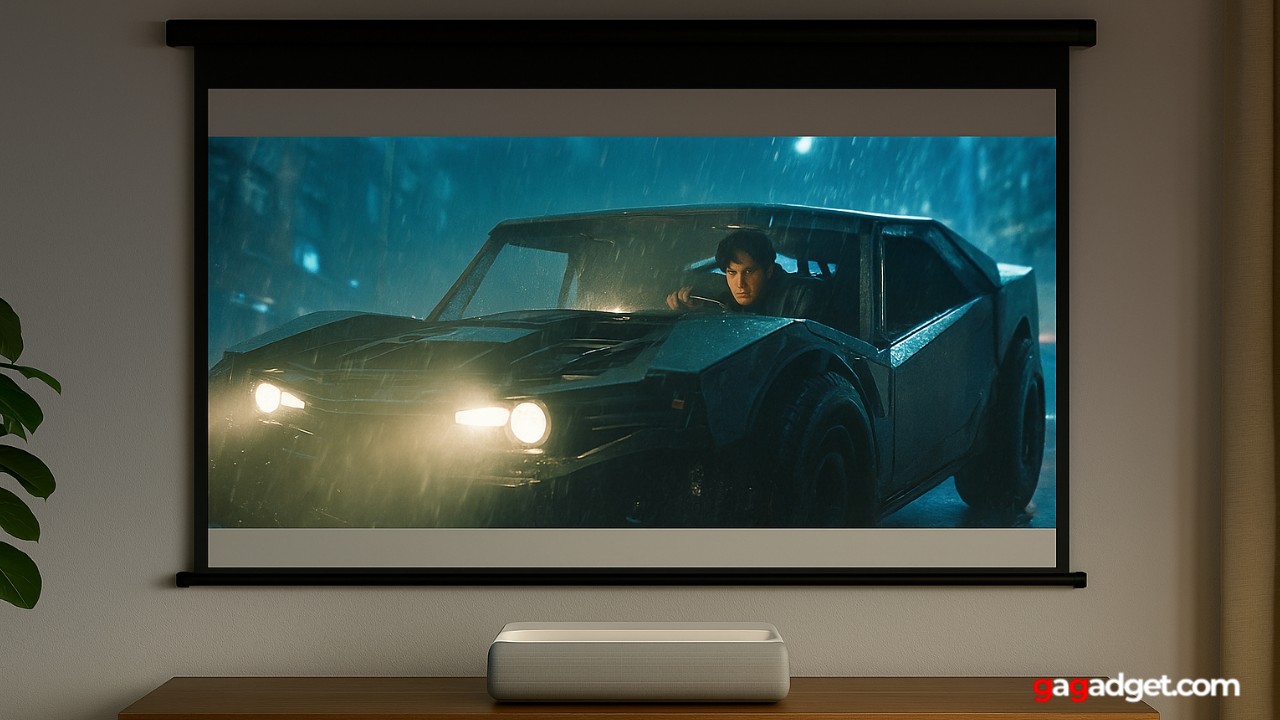
Top Laser Projectors. Source: AI
How Do Laser Projectors Work?
Laser projectors differ from lamp and LED models primarily in their light source. Lasers produce more brightness at slightly lower power consumption, and the light source lasts several times longer than a traditional lamp. The projection technology itself works the same way: 3LCD uses three separate color matrices, while DLP uses a reflective DMD matrix with three lasers of different colors, removing the need for a color wheel and eliminating the rainbow effect some viewers notice with single-chip DLP designs.
How Far Should a Laser Projector Be From the Screen?
The correct distance depends on the specific model. Like traditional lamp projectors, laser models use a "Throw Ratio" to specify how far from the screen the unit needs to be placed to produce a given image size. Check this figure against your room dimensions before purchasing.
How Much Power Does a Laser Projector Use?
Power consumption is similar to a high-efficiency UHE lamp projector of comparable brightness. Depending on the mode, expect 250-400W for a projector rated at 3000 ANSI lumens.
What is the Lifetime of a Laser Projector?
Classic projectors with incandescent lamps last around 2,000 hours. Modern UHE lamps reach up to 5,000 hours in economy mode. Laser light sources last significantly longer - up to 20,000 hours - which equals more than two years of continuous operation. At three hours of daily use, that translates to several decades of service life. In most cases the device will become outdated long before the laser runs out.
Go Deeper:

Jim's our tech geek with a mission since February 2023. From movies to video projectors, he knows his stuff and aims to make tech work for you. When he's not geeking out, he's there to guide you through making savvy decisions.


